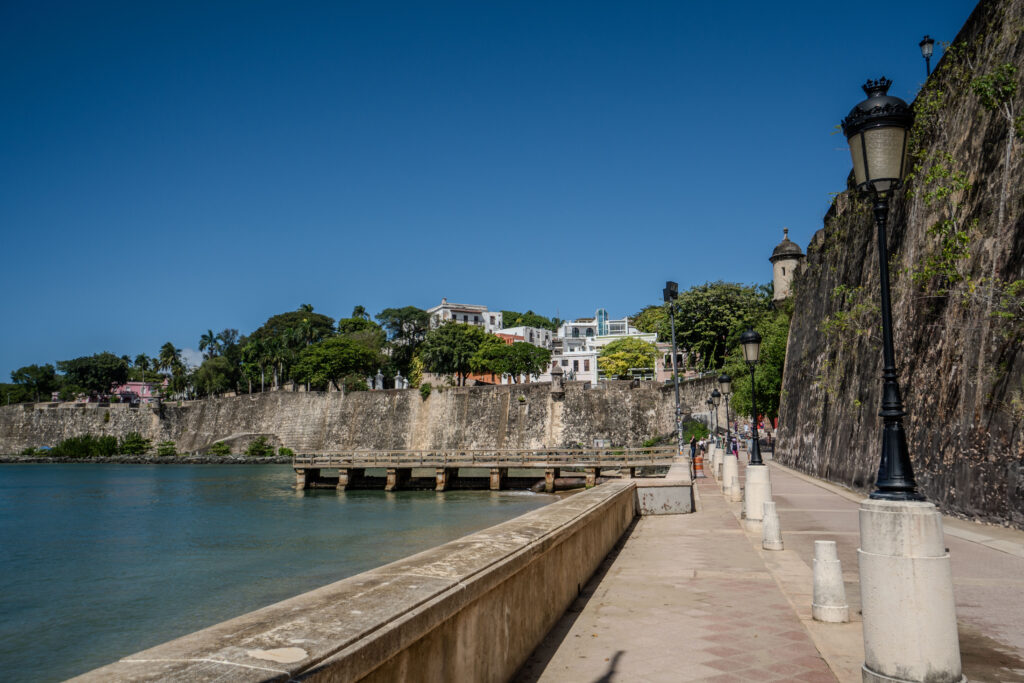
If you have ever driven from Old San Juan into Condado at rush hour, then cut west toward Dorado before the sun drops, you already know the truth about Puerto Rico real estate – the island feels small on a map, but your day-to-day life can change dramatically by picking the right pocket.
When people ask for the best places to live in Puerto Rico, they are usually asking a more specific question: Where will my lifestyle actually work? Commute, power and water reliability, walkability, school options, noise, flood risk, and even weekend traffic patterns can matter more than the headline “beach town vs city.” Below is a practical, neighborhood-first way to think about the island’s most in-demand markets, with the trade-offs spelled out so you can choose with confidence.
How to choose among the best places to live in Puerto Rico
Most buyers start with vibes. Smart buyers quickly move to constraints.
Begin with your non-negotiables: Do you need a predictable commute to San Juan? Do you want to be able to walk to dinner? Is beach access a weekly habit or just a nice-to-have? Are you buying for full-time living, part-time use, or a rental strategy?
Then get Puerto Rico-specific about it. Micro-location matters because flooding, road access, and grid performance can vary by neighborhood, not just by town. HOA rules and short-term rental restrictions also vary widely. And if you are moving from off-island, you will want a plan for viewing properties efficiently and verifying condition and permits without getting surprised later.
San Juan: urban convenience with real neighborhood personality
San Juan is the obvious choice for people who want density, dining, and a faster pace, but it is not a single market. Condado and Ocean Park draw buyers who want walkability and the “step out for coffee” lifestyle, while Miramar offers a more residential feel with quick access to the expressways and the arts district.
The upside is straightforward: strong demand, a wide range of inventory (condos, historic homes, modern builds), and proximity to hospitals, private schools, and major employers. The trade-offs are also real. Parking can be a daily friction point, some buildings have higher monthly fees, and you need to take building generator capacity, water cisterns, and flood exposure seriously rather than assuming every property is set up the same.
San Juan tends to fit professionals, downsizers who want convenience, and buyers who want the deepest resale and rental demand – as long as you choose the right micro-area for noise and traffic.
Guaynabo: family-friendly, central, and consistently in demand
Guaynabo is where many families and professionals land when they want a suburban feel without giving up access to San Juan. It is known for established neighborhoods, gated communities, and a strong track record of demand.
The big benefit is practicality. You get easier parking, more home-for-the-money compared with the most prime coastal corridors, and a location that keeps you close to metro amenities. Many buyers also like the general neighborhood organization and the availability of larger properties.
The trade-off is that Guaynabo is not a beach town, and traffic can still be very real depending on your exact route and schedule. If you commute daily, test-drive the drive at your actual commute time. Ten minutes on a Sunday is not the same as a weekday morning.
Dorado: resort-level lifestyle and premium pricing
Dorado continues to be one of the most sought-after lifestyle markets on the island, especially for buyers who want polished neighborhoods, beach proximity, and a strong amenity ecosystem. It is also a magnet for off-island buyers, which supports demand but can tighten inventory.
The upside is the lifestyle and the brand value. Many communities are designed around privacy, security, and recreation, and the area has a well-developed network of services. For buyers who want a “turn-key” experience, Dorado often delivers.
The trade-off is cost. Purchase prices and carrying costs can be higher, and competition for the right property can move quickly when a well-located listing hits the market with strong presentation. If you are value-driven, you may find better price-to-space ratios inland or in emerging coastal pockets – but you may be trading away some convenience and perceived prestige.
Carolina and Isla Verde: airport access and beach energy
If your life involves frequent travel, Carolina can make daily logistics easier. Isla Verde, in particular, appeals to buyers who want beachfront condos, a lively feel, and quick access to the airport. This market can work well for second-home owners and for buyers who prioritize convenience.
The upside is obvious: arrive, drop your bags, and you are home. You also have strong demand drivers for rentals in select buildings and locations, although rules and building policies matter.
The trade-off is that not every building is equal. You will want to evaluate HOA financials, generator coverage, elevator maintenance, and flood exposure. You also need to decide how much “energy” you want – some people love being in the middle of it, and others decide after a few weekends that they want quieter streets.
Río Grande: nature, resorts, and room to breathe
Río Grande is a strong fit for buyers who want more space and a greener, outdoors-driven lifestyle. With access to El Yunque and resort amenities in the broader area, it can feel like a reset from the metro without being remote.
The upside is lifestyle variety: beaches, mountains, and resort-style communities can all be on the menu. Many buyers like that they can find properties that feel more private while still reaching San Juan when needed.
The trade-off is commute planning and storm preparedness. Depending on your exact neighborhood, you may need a stronger home resilience setup – generator strategy, water storage, and thoughtful landscaping and drainage. It is also important to understand whether your chosen location is primarily full-time residents or a mix of second homes, since that can change the feel.
Humacao and Palmas del Mar: community amenities with a vacation feel
Humacao, especially around Palmas del Mar, is a different proposition than “typical suburb.” Buyers come here for a planned community environment with strong amenities and a clear lifestyle identity.
The upside is that many residents like the built-in ecosystem: recreation, dining options, and a community feel that can make settling in easier, particularly if you are moving from off-island and want an instant network.
The trade-off is that HOA structures and community rules are part of the package. That can be a benefit if you value consistent upkeep, but it is not ideal if you want maximum flexibility. As with any amenity-heavy area, carrying costs matter, so you will want to model your monthly numbers realistically.
Luquillo: beach-town charm without the heavy metro feel
Luquillo is the market for buyers who want to feel the beach lifestyle in a more relaxed, local way. It is known for its coastline, food scene, and access to outdoor activities.
The upside is quality of life. Many people love the pace, the scenery, and the day-to-day simplicity. For certain buyers, it is also a compelling alternative to more expensive coastal corridors.
The trade-off is inventory and property condition variability. Luquillo has gems, but not every listing is “plug and play.” If you are financing, you will want to be realistic about property condition standards, insurance considerations, and the time it can take to line up contractors if upgrades are needed.
Caguas: value, central access, and a different pace
Caguas often surprises buyers who start their search only on the coast. It offers strong value relative to some coastal markets, with a city center that supports shopping, services, and daily life.
The upside is space and pricing leverage. Many buyers who want a larger home, a yard, or a newer build find Caguas gives them more options within budget. It can also be a practical choice if your work and family life are oriented inland rather than toward the beach.
The trade-off is that if you crave ocean views and walkable beach weekends, you will be driving for them. Weather and temperature can also feel different inland, which some people prefer and others do not.
A quick reality check: what “best” really means here
Puerto Rico does not have one single “best” market – it has best fits.
If you need walkability and nightlife, parts of San Juan will beat almost anything else. If you want family-oriented neighborhoods with central access, Guaynabo stays on the short list for a reason. If you want premium resort lifestyle, Dorado and Palmas del Mar play in that lane. If you want nature, space, and a calmer rhythm, Río Grande and Luquillo often deliver. If you want value and a more traditional day-to-day footprint, Caguas can be a smart move.
The key is to match the location to your actual routine, not your vacation version of life.
How we help buyers choose the right area faster
If you are comparing multiple markets, the fastest way to get clarity is to tour strategically and evaluate homes with the same checklist every time: location-specific risks, building and HOA fundamentals, true commute times, and realistic monthly ownership costs.
That is exactly how we structure buyer searches at Homes of Puerto Rico – pairing neighborhood guidance with transaction execution, high-quality showings (including for off-island clients), and a decision process that stays calm even when the market moves quickly.
The right home in the right area does not just feel good on showing day. It keeps feeling good on a random Tuesday when you are tired, the traffic is up, and life is doing what life does. Choose for that Tuesday, and you will usually choose well.