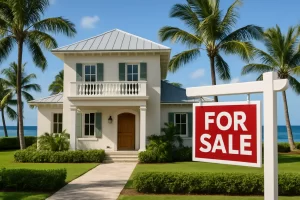
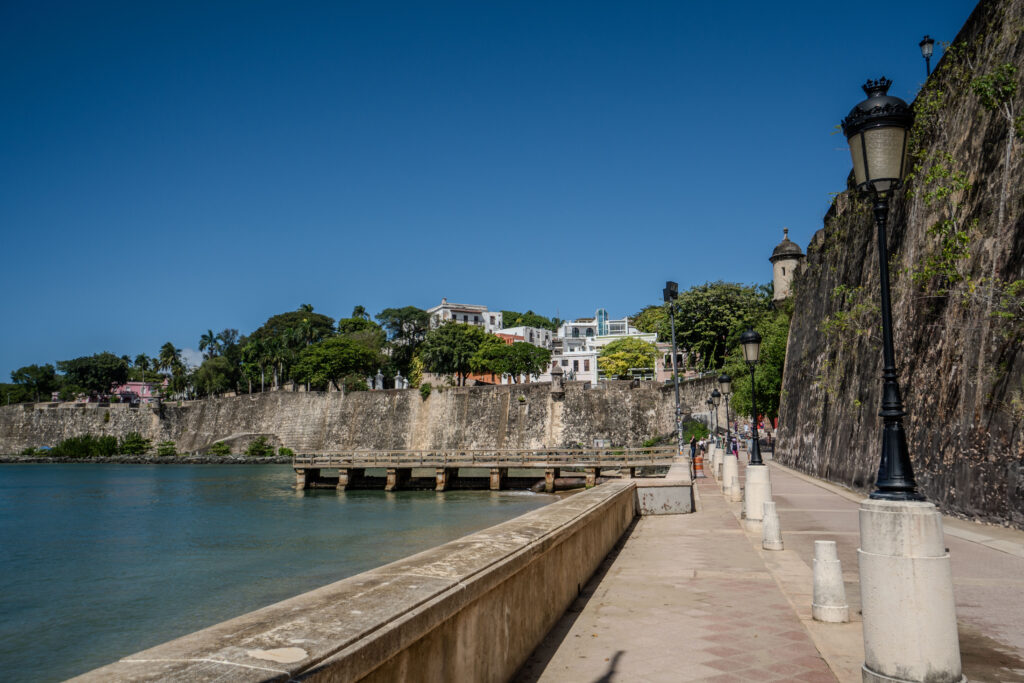
A home in Dorado can sit for weeks at one price, then get two strong offers the moment the number changes. Same property, same photos, same view – but the market read it differently.
That’s the real job of pricing in Puerto Rico: choosing a number that matches what buyers believe is fair in that specific neighborhood, in that specific month, with that specific inventory on the market. If you price purely off what you “need” or what a cousin heard sold last year, you don’t just risk a longer timeline. You risk a weaker negotiation position and a final price that ends up lower than if you had priced correctly from day one.
Puerto Rico home pricing strategy guide: what actually moves a price
Pricing isn’t a formula. It’s a set of weighted decisions that change by area – San Juan is not Caguas, and Río Grande doesn’t behave like Guaynabo. Still, nearly every successful pricing strategy on the island comes down to four forces.
First is micro-location, not just the city. Within San Juan, for example, the price story varies dramatically by neighborhood, building, parking, generator, HOA strength, and walkability. In places like Carolina or Humacao, proximity to main roads, flood zones, and commute patterns can change demand more than a few extra square feet.
Second is property profile. A remodeled three-bedroom in a family-centric neighborhood competes in a totally different buyer pool than a one-bedroom condo targeting a second-home buyer. Layout matters. Parking matters. Backup power, water cisterns, and storm resilience matter – and buyers will pay (or discount) for them.
Third is financing reality. Your price needs to survive the buyer’s loan approval and appraisal if you want a smooth closing. Cash buyers exist, but most sellers still win by pricing in a way that doesn’t create an appraisal gap unless the property is rare enough to justify it.
Fourth is marketing exposure. Great pricing can be wasted with weak presentation, and strong presentation can’t fully rescue an overpriced listing. The best outcomes happen when pricing and distribution are aligned, especially when you’re pulling demand from off-island buyers.
Start with comps, then adjust like a pro
Most sellers have heard “run comps,” but the way comps are selected is where pricing either gets sharp or gets sloppy.
The strongest comps are recent closed sales, close by, and truly similar in category and condition. Pending sales and active listings matter too, but they’re supporting evidence. Closed sales tell you what buyers actually paid after inspections, appraisals, and negotiation.
Here’s where Puerto Rico gets tricky: in many neighborhoods you won’t get a perfect match. Inventory can be thin in high-demand areas like Dorado, Guaynabo, and certain pockets of San Juan, while coastal and lifestyle markets may have pricing that moves with seasonality and travel patterns.
So the real work is adjusting.
If your home is meaningfully more renovated than the comp, you can’t just add the cost of the renovation and call it value. Buyers don’t pay dollar-for-dollar on upgrades. They pay for the result – how the home shows, how move-in-ready it feels, and whether it removes friction.
If your home is meaningfully less updated, you also can’t pretend the buyer will “see the potential.” They’ll see the budget, the timeline, and the risk. That translates into price pressure, inspection concessions, or both.
And if the comp sold in a different micro-pocket, the adjustment might not be small. Being one street closer to the beach, one gate deeper into a community, or on a quieter block can change the buyer’s mental ranking quickly.
Condition is not a footnote – it’s the pricing lever
On the island, condition isn’t just cosmetic. Buyers are thinking about climate, maintenance, and reliability. The more your property signals “I won’t surprise you,” the more confident a buyer feels making a clean offer.
Pricing should reflect three layers of condition.
First is visual condition: kitchens, baths, flooring, paint, and lighting. This drives click-through, showing requests, and emotional urgency.
Second is functional condition: roof age, HVAC performance, plumbing and electrical, windows, and moisture history. This is where inspection negotiation usually lives.
Third is resilience features: generator transfer switch or full generator, water cistern, storm shutters, and overall build quality. In many buyer conversations, these are not luxuries. They are part of what makes a home “work” comfortably.
If you have these features, your price can reflect them – but only if you present them clearly in the listing and showings. If you don’t, pricing needs to acknowledge the buyer’s future spend.
The danger zone: overpricing early
Overpricing doesn’t just slow you down. It changes the type of buyer you attract.
In the first two to three weeks, your listing gets its highest attention. If you miss that window with a price that feels inflated, you often end up with lower-quality offers later – buyers who want a deal, expect concessions, or assume something is wrong.
Then reductions begin. Each reduction can help, but repeated reductions can create a narrative: “They’re chasing the market.” By the time you reach the right number, you may have already lost the strongest prospects.
There are exceptions. If the property is genuinely scarce – a unique view corridor, a top-tier building, a rare lot size in a tight neighborhood – pricing slightly above the most conservative comp can be justified. The trade-off is you need stronger presentation, faster response to inquiries, and a plan to adjust quickly if the market doesn’t confirm your number.
Pricing bands that create urgency (without leaving money behind)
Buyers don’t search every price. They search bands. That means $499,000 and $515,000 can live in different worlds online even though the difference feels minor.
A smart Puerto Rico home pricing strategy guide should treat pricing as positioning, not math. You are choosing which buyer pool sees you first, and what those buyers expect when they arrive.
If your likely value is around $500,000, pricing at $499,000 may pull in more showings than $505,000 because it hits more saved searches and feels psychologically “under $500K.” If your property is premium and you want to signal that, a clean number slightly above a major threshold can work – but only when the home truly supports it.
This is also where negotiation strategy matters. Some sellers want a price that leaves room to negotiate. That can work, but it depends on demand. In a high-demand pocket with low inventory, pricing tighter can drive competition and reduce the buyer’s leverage. In a slower pocket or for a property with functional drawbacks, leaving room can prevent a deal from dying during inspection.
Appraisals, financing, and the closing you actually want
A contract price is not the finish line. The finish line is a funded closing.
If you price aggressively and accept an offer that requires financing, you need a realistic plan for the appraisal. When appraisals come in low, you have three common outcomes: the buyer brings extra cash, the seller reduces the price, or the deal collapses and you’re back on market with a stigma.
The right pricing strategy reduces that risk by staying aligned with closed sales and by documenting value. Clean upgrade lists, permits where applicable, HOA financial health for condos, and strong comparable justification all help. They don’t guarantee an appraisal, but they reduce surprises.
Cash offers can change the equation, but they’re not automatically better. A cash buyer often expects a discount for speed and certainty. If your home is priced correctly and marketed broadly, you can compare that “certainty discount” against what a well-qualified financed buyer might pay.
Off-island buyers: price clarity beats price optimism
Puerto Rico attracts buyers from the mainland and beyond, and they can be excellent clients for sellers – but they price differently. Many will compare your home to what they know in Florida, Texas, or the Northeast, then recalibrate once they understand local inventory, HOA structures, insurance, and resilience features.
For them, clarity wins. A price that is well-supported by comps and paired with high-quality visuals reduces hesitation. If you want off-island demand, your listing needs to answer questions before they ask them: layout, parking, backup systems, neighborhood vibe, and commute logic.
This is where digital-first marketing and strong listing presentation stop being “nice-to-have.” They are part of pricing strategy because they expand the buyer pool that can justify your number. When a property is presented at a premium level – including professional photography and, when it fits, FAA-certified drone videography – the market understands what it’s being asked to pay for.
Timing and strategy by market type
Not all Puerto Rico markets react at the same speed.
In fast-moving areas with consistent demand, pricing slightly under the strongest comp can create urgency and multiple-offer dynamics. In higher-end segments, where the buyer pool is smaller, the strategy may shift toward precision: a price that’s defensible, paired with a marketing push that reaches the right audience quickly.
For condos, the HOA matters. Fees, reserves, generator coverage for common areas, and building maintenance can make two similar units price very differently. For single-family homes, the land and the systems matter more – parking, access, and flood or storm considerations can outweigh interior finishes.
If you’re selling a rental or investment property, price needs to speak to the investor math. Vacancy risk, rental history, and condition become central. A slightly lower price that produces a faster, cleaner closing can outperform a higher price that drags out and costs you months of carrying expenses.
How we structure pricing conversations with sellers
When sellers want results, we keep pricing grounded in data and execution. The goal is not to “test the market” for months. The goal is to hit the market with a number that attracts the right buyer quickly, then negotiate from strength.
At Homes of Puerto Rico, we typically build pricing around three things: a comp-backed value range, a positioning plan (who the buyer is and where they’re coming from), and a timeline strategy that includes what we’ll change if showings and offers don’t match expectations. That way, pricing isn’t a guess – it’s a managed process.
A strong price is the one that makes a qualified buyer feel like they should act now, not later. If you can create that feeling, you’ve already done more than “pick a number.” You’ve given yourself leverage – and leverage is what keeps your terms intact when the inspection, appraisal, and closing logistics start to apply pressure.
The most helpful question to ask yourself before choosing a list price is simple: if I were the buyer seeing this online tonight, would this price make me schedule a showing, or would it make me keep scrolling?