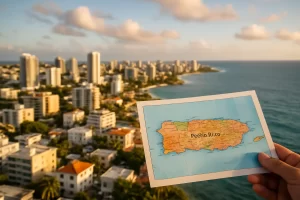
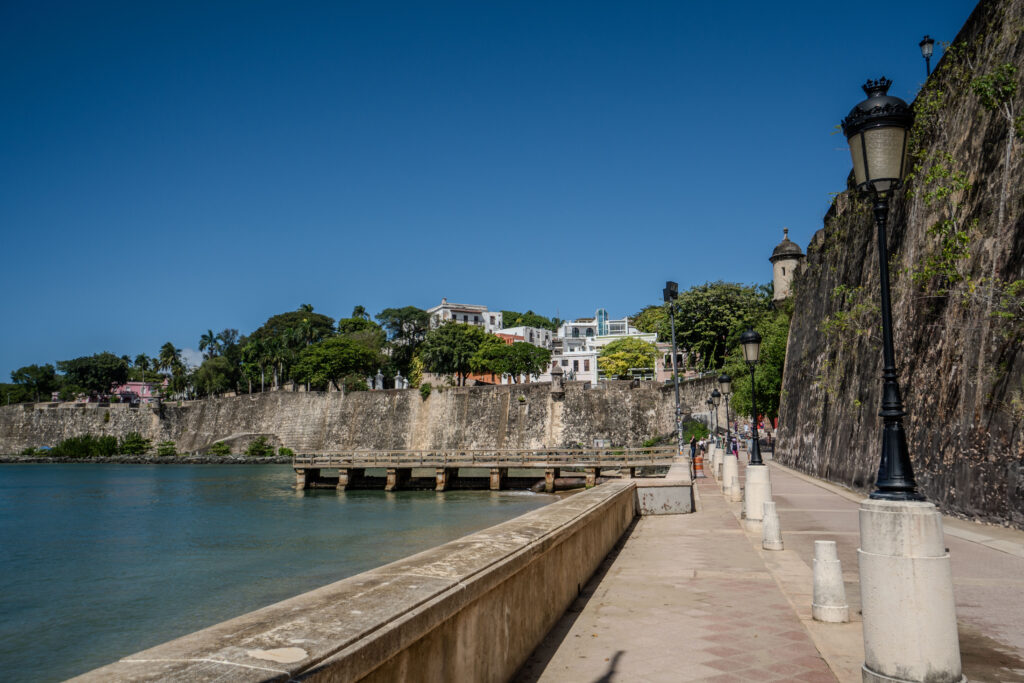
You can spot a serious Puerto Rico buyer in about five minutes. They are not just asking, “Is it safe?” or “How close is the beach?” They are asking the questions that actually decide whether a deal closes: Is this property on the grid or solar? Does the HOA allow short-term rentals? How old is the roof, and what was it built with? What is the insurance situation in this ZIP code?
That is the real story behind Puerto Rico homes for sale. The listings are exciting, the lifestyle is real, and the market has depth. But the buyers who win are the ones who understand the island-specific details that do not show up in a pretty photo carousel.
Why Puerto Rico homes for sale feel different
Puerto Rico looks familiar to U.S. buyers because it uses the dollar, many transactions follow recognizable steps, and major metro areas feel cosmopolitan. Then reality sets in: building practices vary by era and location, inventory can be uneven by neighborhood, and “condition” means something different in a humid, coastal climate.
If you are comparing homes the way you would in Florida or Texas, you can still do well here – but you need a few additional filters. Power resilience, water continuity, and wind and flood exposure are not side notes. They are value drivers.
The other difference is emotional: people shop Puerto Rico for lifestyle. When lifestyle leads the search, buyers can fall in love before they verify the fundamentals. The best approach is to keep the vision, then validate the house.
Where buyers focus first: markets that move
Most demand concentrates in a handful of markets for practical reasons: commute patterns, school access, private amenities, and beach lifestyle.
San Juan and the metro corridor
San Juan is a collection of micro-markets. Condos and walkable neighborhoods can be ideal for professionals, part-time residents, and buyers who want restaurants, hospitals, and quick airport access. The trade-off is that parking, HOA rules, building maintenance quality, and reserve health matter more than buyers expect. One building can be well-run and stable, and the building next door can be a headache.
Guaynabo is often the choice for buyers prioritizing residential feel, larger homes, and easy access to metro jobs. It can deliver space and privacy without feeling far from the action.
Carolina is a practical hub because it connects quickly to the airport and key highways. You will see a wide range of housing stock, so condition and upgrades become the differentiator.
Dorado and the luxury lifestyle lane
Dorado is its own category for buyers who want resort-level amenities, privacy, and a highly curated community environment. The pace is competitive. In this segment, “fair value” is not only about square footage. It is about community standards, security, amenities, and how a particular home compares inside that neighborhood.
Río Grande, Luquillo, and the east coast lifestyle
Río Grande attracts buyers who want proximity to nature, golf, and a more resort-forward daily routine. Luquillo is loved for beach energy and a more laid-back vibe. Here, the questions shift toward wind exposure, salt air wear, and whether the property is set up for reliable utilities.
Humacao and Caguas for value and livability
Humacao offers a strong mix of coastal access and residential options, including communities that appeal to full-time living and second homes. Caguas, more central, can deliver space and pricing that feels more forgiving while still keeping you connected to the metro.
Pricing reality: what drives value beyond the photos
Buyers often ask why two similar-looking homes can be priced far apart. In Puerto Rico, value is heavily influenced by durability, resilience, and operating costs.
Construction type matters. Concrete construction is common and can be a major advantage for longevity and storm resistance, but quality still varies. A well-maintained concrete home with updated systems is not the same as an older property with deferred maintenance.
Power and water reliability increasingly influence buyer demand. A home with solar, batteries, a generator hookup, or a whole-house generator – plus a water cistern or backup pump setup – is not just “a nice extra.” For many buyers it is the difference between comfort and constant frustration. Those upgrades can support higher pricing and faster absorption.
Insurance and HOA costs also affect affordability more than people expect. A condo with a lower price but high monthly fees may cost more monthly than a higher-priced property with reasonable dues. And in certain areas, insurance availability and premiums can be a deciding factor.
The condo question: simple on paper, detailed in practice
Condos are popular with off-island buyers because they reduce maintenance and can sit closer to beach and city centers. But condos require a different kind of due diligence.
Before you commit, you want clarity on building management and financials. Is the association well-run? Are reserves healthy? Are there pending assessments? What does the master insurance cover, and what must you insure yourself? Also, rules matter: leasing restrictions, pet policies, renovation approvals, and short-term rental limitations can change the economics of ownership.
If your plan includes renting, do not assume “it should be fine.” Confirm it in writing within the documents, then confirm how the rule is enforced.
Inspections and property condition: the non-negotiables
If you are used to buying in mainland markets, you may expect inspection findings to be minor. In Puerto Rico, inspections can surface items that are normal for the climate but still need budgeting.
Roof condition is a headline issue. You want to know age, material, drainage, and prior repairs. Windows and doors matter too – not only for appearance, but for wind and water intrusion resistance.
Moisture management is constant in coastal and tropical zones. A home can look pristine and still have humidity-related concerns behind walls, around AC systems, or in poorly ventilated areas. Termite activity and wood deterioration can appear in specific components even when the main structure is concrete.
This is where the right strategy saves money: treat the inspection as a negotiation tool and a planning tool. Some findings should be repaired by the seller, some should be priced into concessions, and some are simply your post-closing to-do list.
Buying from off-island: how to reduce friction
Many buyers shop Puerto Rico while living in the mainland U.S. or internationally. That is normal here, and it can be done smoothly – but only if the process is built for distance.
The biggest pain point is time. If a property is well-priced in a high-demand area, you do not have weeks to decide. The answer is not rushing blindly. It is having your financing conversation early, defining your non-negotiables, and being ready to tour efficiently when you are on the island.
Video walkthroughs help, but they should be purposeful. You want a walkthrough that shows street context, noise, parking reality, and any condition items up close – not just a highlight reel.
Document organization also matters. Off-island buyers move faster when they have their ID, proof of funds or pre-approval, and an understanding of closing timelines ready before they fall in love with a home.
Financing and closing: “it depends” is the honest answer
Some Puerto Rico purchases are straightforward conventional loans. Others require more navigation based on property condition, condo eligibility, and documentation.
If the home needs significant work, financing options may narrow. If it is a condo, the building’s compliance and insurance situation can affect lender willingness. Cash buyers have speed, but even cash deals need strong due diligence, title work, and clear contract terms.
Closing timelines can vary. Appraisals, document gathering, and coordination across parties can add days or weeks. The buyers who feel calm are the ones who plan for variability instead of assuming the fastest possible path.
Marketing matters even when you are the buyer
It sounds counterintuitive, but the way a listing is presented affects you as a buyer. High-quality listing presentation tends to attract more demand, which can tighten negotiation room. At the same time, good visuals and accurate information reduce surprises.
When a property is marketed with professional photography and clear disclosure, your decision-making gets easier. When presentation is poor, you may be seeing either an opportunity or a warning. It depends on whether the underlying fundamentals are strong.
If you want a team that combines transaction execution with modern exposure and buyer education, Homes of Puerto Rico works with buyers and sellers across San Juan, Dorado, Guaynabo, Carolina, Río Grande, Humacao, Luquillo, and Caguas with a digital-first approach and hands-on guidance.
A smart way to shop: clarity first, then creativity
The buyers who get the right home here do not start by touring everything. They start by defining what “non-negotiable” really means in Puerto Rico.
If you need consistent power, make that a requirement and focus on homes already equipped or priced to add solar and storage. If you need walkability, accept that square footage may shrink. If you want beachfront proximity, understand salt air maintenance and insurance realities upfront.
Then get creative in the right places: paint, landscaping, interior finishes, and layout improvements can be solvable. Location, exposure, building health, and legal restrictions are harder to change.
A helpful closing thought: when you look at Puerto Rico homes for sale, do not shop only for a house you love – shop for a house you can live with on an ordinary Tuesday when the weather changes, traffic is real, and you just want everything to work.