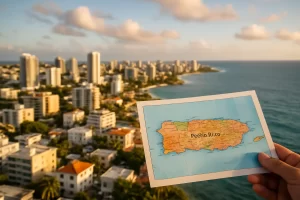
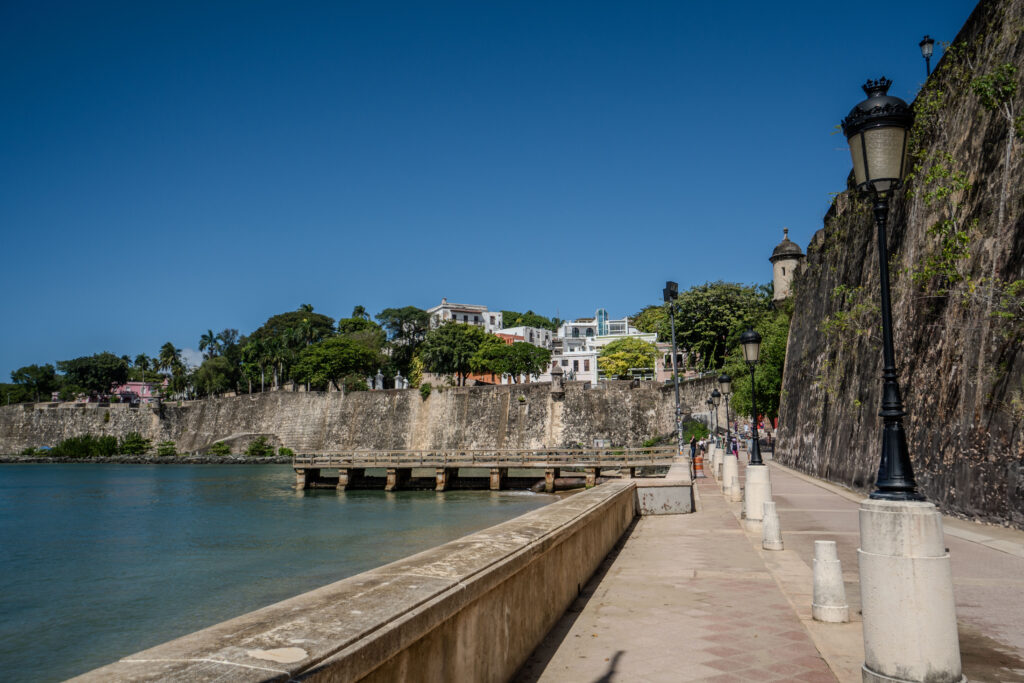
San Juan isn’t a single housing market – it’s a chain of micro-markets stitched together by traffic patterns, school zones, walkability, and the coastline. Two listings can be ten minutes apart and feel like different cities, with different buyer pools and very different “normal” days on market. If you’re shopping San Juan Puerto Rico homes for sale, the fastest way to get confident is to stop thinking in broad labels and start thinking in blocks, building types, and lifestyle trade-offs.
This is a practical, on-the-ground guide to how deals actually get done in San Juan right now – what to prioritize, what to double-check, and how to move quickly without getting pressured into a bad fit.
The San Juan market is really four markets
San Juan buyer frustration usually comes from mixing inventory types that don’t compete with each other. A renovated condo in Condado is not competing with a single-family home in Cupey, and neither is competing with a walk-up unit in Miramar. When you separate your search by product type and lifestyle, pricing starts to make more sense.
Condado and Ocean Park tend to attract buyers who want walkability, beach access, short-term convenience, and a “lock-and-leave” condo lifestyle. Inventory here is often vertical: condos with HOA fees, building rules, parking constraints, and amenity trade-offs.
Miramar and parts of Santurce pull in buyers who want character, proximity to the arts and dining scene, and quick access to business corridors. You’ll see everything from historic buildings to mid-century units to newer boutique developments. The upside is lifestyle and location. The trade-off can be older infrastructure and tighter parking realities.
Hato Rey is more business-adjacent, and it’s often about commute logic and practicality. You can still find strong value, but it depends heavily on the building and immediate surroundings.
Then you have the broader “San Juan metro-residential” feel in places like Cupey and nearby areas where buyers want more space, more bedrooms, more parking, and a home that functions for daily family life. Here, the conversation shifts to generators, water cisterns, yard maintenance, security, and the true cost of owning a single-family property.
Picking a neighborhood by your non-negotiables
Most buyers start with a list of wants. The buyers who win in San Juan start with a list of constraints.
If you need elevator access, covered parking, or a building that allows pets, that instantly narrows the condo search. If you’re sensitive to noise, Ocean Park’s vibe may feel very different from a higher-floor Condado unit with tighter building rules. If you plan to host family often, you may care less about being steps from nightlife and more about guest parking and easy highway access.
Be honest about your daily pattern. Do you need a 15-minute commute to Hato Rey? Do you want to walk to the beach without getting in the car? Do you want a building with a full-time generator, or are you comfortable managing power solutions inside the unit? These aren’t “later” questions. In San Juan, they decide whether the property fits your life or becomes a daily annoyance.
Pricing realities: what you’re actually paying for
San Juan pricing isn’t just bedrooms and bathrooms. You’re paying for friction reduction.
A unit with deeded parking in a dense area can command a premium because parking is daily stress. A building with a full generator and water cistern is priced differently because it changes your living experience. Renovation quality matters, but so does renovation scope – cosmetic upgrades aren’t the same as updated electrical, plumbing, and windows.
In condos, monthly HOA fees (often called maintenance) need to be treated like a second mortgage payment. A lower purchase price can be misleading if the monthly maintenance is high or if the building is facing major assessments for repairs. On the other hand, a higher HOA fee can be justified if it covers generator support, security, elevators, insurance components, and strong reserve funding. The point is not “high is bad.” The point is “high needs receipts.”
For single-family homes, the pricing conversation often hides in operating costs. Generator capacity, water storage, roof condition, drainage, and storm resilience aren’t glamorous, but they affect both comfort and resale.
Condos: the rulebook matters as much as the view
A clean condo deal in San Juan depends on understanding the building, not just the unit.
Before you fall in love with a balcony view, confirm the basics: HOA financial health, reserve funding, insurance approach, any known special assessments, and whether the building has had major system upgrades. Ask about generator coverage specifically. Some buildings power common areas only. Others provide partial unit power. A few provide broader coverage, but it varies widely.
Also confirm the practical rules that can derail plans: leasing restrictions, pet policies, renovation restrictions, and whether the building is FHA/VA friendly if that matters to your financing path. If you’re buying with any rental strategy in mind, you need to know what’s allowed before you’re under contract.
A condo can be the simplest way to own in San Juan – but only when the building is professionally managed and the numbers support the lifestyle.
Houses and townhomes: more control, more responsibility
Single-family homes and townhomes can give you what condos can’t: space, privacy, multiple parking spots, and outdoor areas. They also come with a wider inspection and maintenance envelope.
In San Juan, you want clarity on roof age and condition, drainage and water management, electrical updates, and storm preparedness. You also want to understand the property’s day-to-day realities: street noise, neighborhood access during peak traffic, and whether the home’s layout works for modern living.
The best value isn’t always the largest square footage. Sometimes it’s the home with the cleanest bones and the least “future surprise” hiding behind fresh paint.
Financing and closing: what off-island buyers miss
Many San Juan buyers are relocating from the mainland or buying from off-island. The process can feel familiar until it suddenly isn’t.
First, not every property is equally friendly to every loan type. Condo approvals, building insurance structures, and documentation can affect timelines. Second, closing logistics matter more when you’re remote. The winning play is to set expectations early: how appraisals are handled, what documents need to be translated or explained, and how quickly the seller expects decision-making.
Remote buyers also need a clear plan for property access, inspections, and negotiations when you can’t “just swing by.” That’s where a proactive local team matters – not as a luxury, but as basic risk management.
How to compete when good listings move fast
San Juan doesn’t reward passive shopping. The best listings get attention immediately because they check the friction boxes: parking, generator coverage, condition, location, and realistic HOA structure.
Your leverage comes from preparation, not aggression. If you need financing, have your lender conversation done before you tour. Know your comfort range, not just your max. If you’re buying cash, be ready to show proof and define your timeline. If you need specific contingencies, be clear about them upfront so you’re not renegotiating the structure later.
Negotiation here is rarely about “winning” by being the toughest. It’s about presenting a clean path to closing. Sellers respond to buyers who look organized, decisive, and realistic.
Due diligence: the questions that protect you
The fastest regret in San Juan real estate comes from skipping the unglamorous questions.
For condos: ask for the latest financials, proof of insurance, meeting notes if available, and clarity on any upcoming projects. Confirm what the generator actually powers and whether the unit has any grandfathered conditions.
For houses: understand utilities setup, water pressure and storage, electrical capacity, and any history of water intrusion. Confirm what improvements were permitted if you’re looking at major renovations.
For both: don’t treat the inspection as a formality. Treat it as your price-justification tool and your planning tool. Even if you love the home, you want to know what you’re buying into.
Marketing matters on the seller side – and affects you as a buyer
Here’s a dynamic most buyers miss: the quality of a listing’s presentation changes who competes for it. Premium photos, strong video, and clear property messaging don’t just look nice. They expand the buyer pool, including off-island and international buyers who make decisions based on what they can see and verify remotely.
That means well-marketed homes can sell faster and closer to asking – not because they’re overpriced, but because they’re widely exposed and easy to understand. As a buyer, you should expect that the homes with the best presentation will have the most competition. Your strategy should adapt: tighter timelines, cleaner offers, and fewer “we’ll figure it out later” assumptions.
Getting the right guidance without losing momentum
If you’re serious about buying in San Juan, you want an advisor who can do two things at the same time: protect you with details and keep the process moving fast. The market punishes indecision, but it also punishes rushing into the wrong building, the wrong street, or a condo association that doesn’t align with your plans.
That balance is exactly what a modern, performance-driven brokerage is built for – local neighborhood orientation, disciplined negotiation, and digital-first execution that supports both on-island and remote buyers. If you want that kind of support while you shop San Juan Puerto Rico homes for sale, you can start with Homes of Puerto Rico and build a plan around your priorities instead of chasing alerts.
The best closing thought I can offer is simple: in San Juan, speed is useful, but clarity is priceless – the clearer you are about lifestyle, building standards, and deal terms, the easier it is to move fast without second-guessing yourself later.