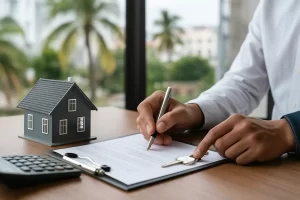
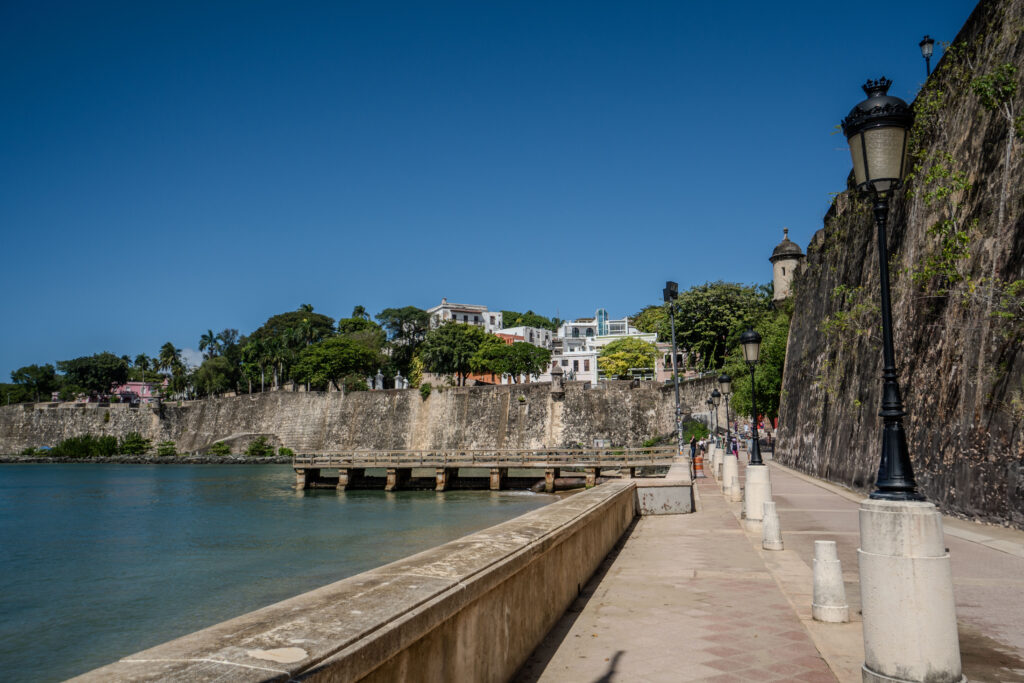
If you want a faster sale and cleaner negotiations, your listing needs to feel easy to say yes to. Not “perfect.” Easy. The kind of home that looks bright in photos, shows well at 2:00 pm and 7:00 pm, and doesn’t trigger a buyer’s mental checklist of future repairs, projects, or hidden problems.
That’s what seller staging before selling is really about. It’s not about decorating for your taste. It’s about reducing friction in the buyer’s decision – and in Puerto Rico, that includes heat, humidity, salt air, tropical light, and the reality that many buyers are comparing your home to others they may only see online.
This guide is built for sellers who care about outcomes: stronger first impressions, better showing feedback, and offers that don’t start with “We love it, but…”
What “staging” actually means (and what it doesn’t)
Staging is controlled presentation. You’re shaping how buyers experience space, light, condition, and lifestyle. That can be as simple as removing visual noise and fixing a few high-signal items, or as involved as bringing in furniture and decor to help an empty property read correctly.
What staging is not: a guarantee you can overprice the home, a renovation plan disguised as “prep,” or a one-size-fits-all checklist copied from mainland markets. Puerto Rico has its own buyer mix, construction styles, and climate-driven wear patterns. A staged home here needs to look fresh, well maintained, and comfortable in tropical conditions.
Why staging matters more in Puerto Rico’s current buyer behavior
Many of today’s buyers start and sometimes finish their first round of decisions on a phone screen. That’s true for local professionals in San Juan and Guaynabo, and it’s especially true for off-island and international buyers narrowing options before they fly in.
When your home is staged well, three things tend to happen:
First, your photos and video perform better. That increases inquiry volume and showing activity, which is where pricing leverage starts.
Second, buyers walk in with fewer objections. They may still negotiate, but they negotiate from “I want this house” instead of “I’m not sure.”
Third, inspection and appraisal conversations often feel smoother. Staging isn’t the same as repairs, but it pushes you to address visible condition issues that otherwise become negotiation ammunition.
If you’re planning a sale and want a step-by-step view of the broader process, this pairs well with Sell Your Home in Puerto Rico Without Guesswork.
The staging mindset that protects your price
Sellers sometimes stage to impress. High-performing staging does something different: it removes reasons to discount you.
Buyers discount for uncertainty. A home that feels dark, crowded, or “tired” reads like risk. Even if the bones are solid, the buyer starts budgeting for surprises. Your job is to reduce that uncertainty by making condition, flow, and maintenance feel obvious.
A simple way to think about it is this: every room should answer three questions in under five seconds.
What is this space for? How big is it? And does it feel cared for?
If any room fails that test – a “storage bedroom,” a dining room that’s an office that’s also a gym – your value perception drops.
Start with a pre-listing walk-through, not a shopping trip
Before you buy a single pillow or paint sample, do a focused walk-through like a buyer would. If you can, film a slow walkthrough on your phone. Then watch it like you’re seeing the home for the first time.
Look specifically for:
- Light problems: rooms that feel dim because of heavy curtains, burned-out bulbs, or furniture blocking windows
- Flow problems: oversized furniture that makes walkways tight
- Condition signals: water stains, swollen baseboards, rust on exterior hardware, mold or mildew in corners
- Distraction points: loud art, too many family photos, countertop clutter, crowded open shelving
In Puerto Rico, condition signals matter even more because buyers know humidity and salt air can turn small maintenance issues into ongoing ones. They don’t need proof that something is failing – they just need enough doubt to negotiate.
The top “high-return” staging moves for Puerto Rico homes
There are dozens of staging tips online. Most are generic. These are the moves that consistently change how a Puerto Rico home shows and photographs.
1) Make the home feel cooler and brighter
Buyers notice comfort immediately. If the home feels warm, stale, or dim, they mentally downgrade it.
Start with airflow and temperature: clean or replace AC filters, confirm mini-splits are functioning well, and make sure remotes are accessible for showings. If you have ceiling fans, ensure they’re working and set to the correct direction. Then address light: replace mismatched bulbs with consistent color temperature and brightness. Warm-white lighting can look cozy, but too warm can make interiors look yellow in photos.
Also watch window treatments. Heavy drapes and dark shades often kill natural light, especially in condos and townhomes where windows are already limited.
2) Dehumidify the story the house is telling
Musty odor is a deal-killer because buyers associate it with mold, leaks, and hidden repairs. Even if you know the source is minor, the buyer doesn’t.
Deep clean soft surfaces, shampoo rugs if needed, and consider running dehumidifiers consistently in closed-up rooms. Closets, laundry areas, and bathrooms are the most common problem zones. If a room has a persistent smell, solve it – don’t mask it.
3) Fix the “tropical wear” that buyers see instantly
Puerto Rico homes often show specific wear patterns: corrosion on exterior fixtures, rust on gates, peeling paint on railings, swollen wood near windows, and mineral stains in bathrooms.
You don’t need a full renovation to improve these. But you do need to handle the obvious items that suggest neglect. A buyer who sees rust and peeling will assume the roof and plumbing are also “probably” neglected. That’s not fair, but it’s real.
4) Reduce visual density by 30-50%
Most occupied homes show better with less. Fewer items on surfaces, fewer pieces of furniture, and fewer competing colors.
This is one of the only staging moves that works in every price point and every neighborhood – from Carolina to Dorado. And it helps twice: the home looks larger, and buyers stop focusing on your life and start picturing theirs.
5) Define spaces clearly, especially in open layouts
Open concepts are popular, but they’re easy to stage poorly. If the living area and dining area bleed together without clear furniture placement, the room reads like it lacks purpose.
Use rugs, consistent furniture orientation, and simple “zones” to show how the space works. Buyers want to see where the sofa goes, where the TV goes, how many seats fit at the table, and whether there’s a comfortable path to the balcony or patio.
Room-by-room staging that actually changes buyer perception
This is where most sellers either overdo it or miss the point. You’re not staging every corner. You’re staging the moments buyers remember.
Entry and first sightline
The first 10 seconds decide how the rest of the showing feels. Clear the entry. Add a simple mat or small table if appropriate, but the main goal is openness.
If the first sightline includes a messy kitchen counter or a crowded living room, fix that before you worry about decor.
Living room
The living room sells comfort and scale. Keep furniture proportional. If the room is tight, remove a chair or side table to open walkways. If the room is large, group furniture so it doesn’t look like it’s floating.
In Puerto Rico, indoor-outdoor flow is a selling point. If you have sliders to a terrace, balcony, or patio, make that path feel easy. Buyers want to imagine coffee outside, not squeezing around furniture.
Kitchen
The kitchen should look operational and clean, not “styled.” Clear counters as much as possible. Keep only a few items that suggest function: maybe a coffee setup or a simple bowl. Too many appliances make the kitchen feel like it lacks storage.
Pay attention to cabinet faces and hardware. Sticky residue, fingerprints, and misaligned doors show up in close-up photos.
If you have strong natural light, stage to support it. If you don’t, lighting matters even more. Under-cabinet lighting (if installed) should be turned on for photos and showings.
Dining area
If you have a dining area, show it as dining, even if you personally use it as an office. Buyers want to confirm that entertaining works.
A table that’s too large for the space is a common mistake. If chairs hit walls or block walkways, buyers read the room as small.
Primary bedroom
Primary bedrooms sell calm. The bed should be the focus, with simple bedding and minimal nightstand clutter.
Also, don’t ignore closet presentation. In Puerto Rico, storage matters because many homes aren’t built with massive closets. If yours is a strength, show it. If it’s average, at least make it feel usable: reduce clothing density and keep floors clear.
Bathrooms
Bathrooms need to read “clean and dry.” Replace worn shower curtains, re-caulk where needed, and address any visible mildew. Remove personal items: toothbrushes, razors, and product overload.
If you have dated tile, don’t try to distract with heavy decor. Clean, bright, and simple is more convincing than “styled.”
Laundry and utility areas
These areas trigger condition concerns quickly. Make them spotless. If your washer and dryer are staying, stage them like an appliance showroom: clean surfaces, no baskets overflowing, no detergent clutter.
If you have a water heater, make sure the area around it looks maintained and accessible.
Outdoor spaces: balconies, terraces, yards
Outdoor areas are a major differentiator in coastal and lifestyle markets like Río Grande, Luquillo, and Dorado. Stage them as usable living space. Even a small balcony can feel valuable if it’s clean and has a simple seating moment.
If the yard is the selling point, keep landscaping tight. Trim back overgrowth that blocks the home or hides the lines of the property. Buyers interpret messy landscaping as more work and more cost.
Staging for listing photos and video: what the camera will amplify
A staged home can still photograph poorly if you don’t prep specifically for media day. Cameras exaggerate contrast and clutter. They also notice things humans ignore.
Before professional photography or drone video, do a “lens test” in each main room. Stand in corners and take wide shots on your phone. Anything that jumps out in the photo will jump out even more in the listing.
Pay extra attention to reflections. Mirrors, glossy cabinets, and windows can reflect clutter you didn’t think was visible.
Also, plan for exterior visuals. If you’re using drone footage, roofs, patios, and neighboring lots are more visible than you think. If you have items stored on the roof area or a cluttered side yard, clean it up.
For sellers who want their marketing to reach beyond local foot traffic, pairing staging with premium visual assets is where the leverage is. If you’re looking for a brokerage that treats presentation as performance marketing, Homes of Puerto Rico builds listings around high-end media and strong digital distribution so the right buyers actually see the home.
Vacant vs occupied: two different staging strategies
Occupied homes usually need editing. Vacant homes usually need definition.
If you’re living in the property, your best return often comes from removing excess items, simplifying furniture, and making it feel neutral. That can be done without renting furniture.
If the property is vacant, buyers often struggle to judge scale. Empty rooms can feel smaller or colder than they are. In that case, partial staging can be a smart middle ground: focus on the living room, dining area, and primary bedroom. Those are the spaces that anchor the buyer’s emotional decision.
The trade-off is cost and timing. Furniture staging requires coordination and can be damaged by humidity if not handled correctly. If the home is priced in a range where buyers expect move-in-ready presentation, staging is often worth it. If the home is priced for condition or is aimed at investors, you may be better off with cleaning, paint, and repairs only.
The Puerto Rico-specific prep sellers underestimate
Some issues don’t come up as often in mainland staging conversations, but they show up constantly here.
Salt air and corrosion
If you’re near the coast, corrosion is normal – but visible corrosion still hurts perception. Clean and treat exterior metal where possible. Replace heavily rusted hardware if it’s inexpensive. A corroded front gate or balcony railing creates safety concerns, and buyers price that in immediately.
Power reliability and “comfort confidence”
Buyers ask about generators, cisterns, and water pressure for a reason. Even if you’re not marketing those features aggressively, the home should demonstrate that it functions well day-to-day.
If you have a generator or transfer switch, keep the area tidy and presentable. If you have a cistern, make sure access points look clean and maintained. You’re not staging a machine – you’re staging confidence.
Security and lighting
Exterior lighting, functional locks, and clean sightlines matter. A well-lit entry and clean perimeter presentation make the property feel safer, which changes how buyers interpret the neighborhood.
Concrete construction and sound
Many Puerto Rico homes are concrete, which is a strength. But echo can make spaces feel empty or harsh, especially in vacant properties. Rugs, curtains, and soft furnishings reduce that effect and make video tours feel more inviting.
What to fix before you stage (because staging can’t hide it)
Staging covers cosmetic distractions, not real defects. If you stage before handling key issues, buyers will feel misled – and that can backfire during inspection.
Prioritize repairs that are visible, likely to be flagged, or likely to become leverage in negotiation. For most sellers, that means addressing water intrusion signs, active leaks, electrical issues, broken windows or screens, non-working AC units, and obvious roof concerns.
Then handle the “death by a thousand cuts” items: sticking doors, missing outlet covers, loose handles, and burned-out exterior lights. These small details create a big impression because they signal how the home has been maintained.
Paint: when it’s worth it, and when it’s a waste
Paint is one of the most effective staging tools, but only when it’s done strategically.
If your walls are bold, heavily scuffed, or patched in multiple places, repainting in a light neutral can lift the entire home. It also helps photos feel cohesive.
If your paint is already in good shape and neutral, repainting rarely returns the cost. Instead, focus on deep cleaning, lighting, and editing furniture.
In Puerto Rico, choose paint and finishes that handle humidity. Poor paint jobs can blister or peel quickly, and that’s worse than leaving a few scuffs.
The pricing connection: staging supports strategy, not fantasy
Staging is not a substitute for pricing correctly. It’s support for a pricing strategy that matches the market.
If you price aggressively and your home shows poorly, you’ll get low activity and stronger negotiation pressure later. If you price correctly and stage well, you increase the chance of multiple interested buyers, which is the cleanest path to strong terms.
There is an “it depends” factor here: in some micro-markets or highly unique homes, the buyer pool is naturally smaller. Staging still helps, but expectations about speed and offer volume need to match the property type.
A realistic staging budget framework (without wasting money)
Most sellers want to know what to spend. The more useful question is where to spend.
If your home is generally updated and clean, your best “budget” is time and discipline: declutter, deep clean, and tighten up small repairs.
If your home is dated but solid, spend on the items buyers see and feel: paint where needed, lighting, hardware refreshes, and landscaping. Those are perception multipliers.
If your home is vacant or has awkward spaces, allocate funds to partial staging so buyers understand scale. That’s especially important for condos, townhomes, and properties with open layouts.
The trap is overspending on decor. Buyers don’t pay more because you bought trendy accessories. They pay more when the home feels brighter, larger, better maintained, and easier to live in.
Showing-day staging: how to keep it “always ready”
Once you list, you’re no longer staging for yourself. You’re staging for strangers at unpredictable times.
Set a simple routine. Make beds tight. Clear counters. Keep sinks empty. Remove trash daily. If you have pets, manage odor and hair proactively, and store bowls and litter boxes out of sight during showings.
Temperature matters. If you can, pre-cool the home before showings. Buyers stay longer and notice more positives when they’re comfortable.
And don’t underestimate sound. Turn off loud fans that rattle. Keep TVs off. If the neighborhood has noise at certain hours, schedule showings when the home presents best.
Common staging mistakes that cost sellers money
The biggest mistakes aren’t dramatic. They’re subtle, and they stack up.
One is keeping too much personal identity in the home. Family photos, collections, and strong design choices can make buyers feel like guests, not owners.
Another is ignoring the exterior because “buyers care about the inside.” Many buyers form their price opinion before they reach the living room.
A third is trying to stage around unfinished projects. A half-painted room, missing trim, or a bathroom mid-update reads like future headache.
Finally, some sellers hide problems instead of fixing them. Buyers notice cover-ups. And once trust drops, negotiations get harder.
Timing: when to stage in the selling timeline
Staging should be scheduled backward from media day. Ideally, the property is fully staged, cleaned, and camera-ready before professional photos and video.
If you stage after photos, you’ve already lost the biggest leverage point: first impression online.
If you need repairs, do them before staging, not after. Repair crews reintroduce dust, move furniture, and create touch-up work. Build a schedule that ends with deep cleaning and staging, then photos, then listing launch.
If you’re off-island: how to stage when you can’t be here
Many owners selling in Puerto Rico live in the mainland US or abroad. Staging is still possible, but it needs tighter management.
Start by deciding whether the home will be sold vacant or occupied by tenants. If tenants are in place, you’ll need cooperation and clear showing rules. If the property will be vacant, focus on security, utilities, and keeping humidity under control.
You can manage staging remotely with a clear scope: repairs, deep cleaning, yard work, and either partial staging or light cosmetic setup. The key is documentation: photos and video updates so you know the home is truly camera-ready.
If you’re relocating and want more Puerto Rico-specific context on logistics and expectations, Moving to Puerto Rico From the United States? Here is what you need to know. fills in a lot of the gaps off-island clients run into.
The goal: a home that feels easy to buy
The best seller staging before selling doesn’t scream “staged.” It feels natural, bright, and maintained. It answers the buyer’s questions without forcing them to ask.
If you’re deciding what to do first, start with the highest-signal basics: clean hard, reduce clutter, fix what’s visibly broken, and make the home feel cool, bright, and simple. When a buyer walks out thinking “Nothing feels like a project,” you’ve done your job – and you’ve protected your price.