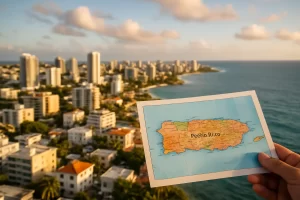
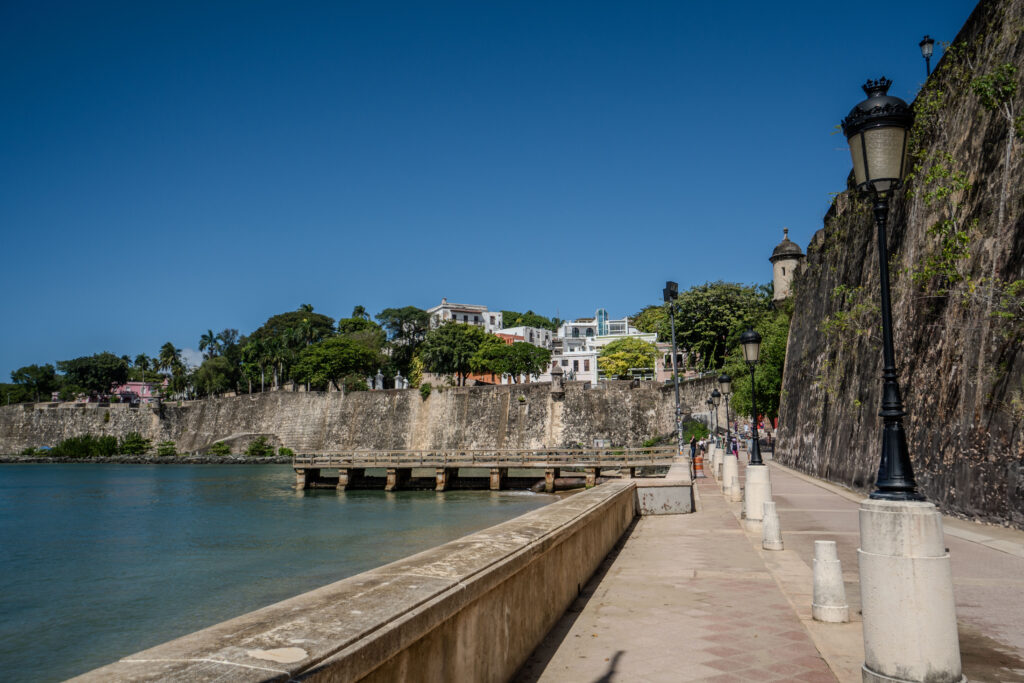
You can feel it when the question gets real: a neighbor’s house sells, a buyer asks for a showing, your insurance renews higher than last year, or you start thinking about relocating. Suddenly, “what is my home worth in Puerto Rico” isn’t a curiosity – it’s a decision that can affect your timeline, your next purchase, and how much leverage you have in negotiations.
Puerto Rico values are not one-size-fits-all. Two homes with the same square footage can land in completely different price bands depending on neighborhood micro-markets, title readiness, insurance realities, short-term rental potential, and even how the property shows online. If you want a number you can trust, you need to understand how value is actually formed here.
What determines home value in Puerto Rico (in the real world)
Most owners start with a simple idea: recent sales nearby. That’s a good instinct, but in Puerto Rico the “nearby” part can mislead you if you don’t go deeper.
Market value is the price a ready, willing buyer will pay under normal conditions, with reasonable exposure to the market. The exposure part matters more than most sellers realize. A property that is priced correctly but marketed poorly can sit, get stigmatized, and end up selling for less than it should.
Three forces shape value more than anything else: comparable sales, buyer demand for the specific area, and the property’s risk profile (condition, permits, flood zone, HOA, insurance, title, and financing friendliness). When those line up, pricing is straightforward. When one is off, value becomes a range, not a single number.
“What is my home worth in Puerto Rico” starts with comps – but the right comps
A Comparative Market Analysis (CMA) is the most practical way to estimate value before you order an appraisal. It looks at recently sold homes, active competition, and pending sales to build a pricing range.
The key is using comps that match how buyers will compare your home. That means similar construction type, age, condition, view, parking, amenities, and location down to the sub-neighborhood level. In San Juan, Dorado, Guaynabo, Carolina, Río Grande, Humacao, Luquillo, and Caguas, pricing can shift quickly from one pocket to the next based on access, noise, school preferences, HOA reputation, and short-term rental rules.
A common mistake is leaning too heavily on list prices. List prices are opinions. Sold prices are proof. Pending sales help with momentum, but only if they’re truly comparable.
Why square footage alone can misprice you
Buyers care about livability, layout, and finish level as much as size. A 2,200 sq ft home with an awkward layout and dated kitchens may lose to a smaller home that feels turnkey. In condo buildings, floor level, generator coverage, parking assignment, and balcony orientation can matter more than an extra 150 sq ft.
The “days on market” signal
In Puerto Rico, days on market tells you if buyers are accepting pricing or resisting it. If your closest comps sold fast with multiple showings, you may have room to price assertively. If similar homes have been sitting and doing price reductions, the market is telling you what buyers will not pay.
Location in Puerto Rico is not just “city” – it’s lifestyle and logistics
Location value isn’t only about prestige. It’s about how a buyer expects to live.
In metro areas like San Juan, convenience and building infrastructure can drive pricing. In Dorado, gated communities and amenity access can move the needle dramatically. In Río Grande and Luquillo, lifestyle proximity (beach, El Yunque access, resort areas) can be a premium, but it can also introduce insurance or HOA variables. In Caguas and parts of Guaynabo, commutability and neighborhood feel are often central.
Also, buyers don’t think in municipal boundaries. They think in: “How far to my office?” “How’s traffic at the time I drive?” “Do I have a generator?” “Will my internet be reliable?” “Is the street prone to flooding?” Those answers show up in price.
Condition, renovations, and the truth about ROI
Not every renovation returns dollar-for-dollar. In Puerto Rico, the biggest value bumps often come from reducing perceived friction for the buyer.
A clean, well-maintained home with a strong roof story, updated electrical where relevant, modern kitchens and baths, and good natural light typically commands better offers because it feels lower-risk. On the other hand, a luxury renovation in an area where buyers are highly price-sensitive may not fully pay you back.
If you’re deciding whether to improve before selling, focus on what impacts buyer confidence and financing viability. Cosmetic improvements help photos and showings. Structural, permit-related, and water intrusion issues affect whether a deal survives inspection and appraisal.
Puerto Rico-specific value factors many owners overlook
This is where online estimates fail. Puerto Rico has variables that can widen the gap between “I think it’s worth” and “a buyer can actually close at.”
Financing friendliness and appraisal risk
If your likely buyer needs a mortgage, the home has to appraise and meet lender standards. Properties with deferred maintenance, unpermitted additions, or unclear property lines can narrow the buyer pool or force cash-only pricing.
Even when buyers are qualified, the appraisal can become a second negotiation. If you price far above what the data supports, you’re increasing the odds of an appraisal shortfall and a stressful price reduction later.
Title readiness and documentation
Clean title, updated property registry information, and accurate records matter. If a transaction hits delays due to documentation, buyer confidence can drop, and buyers may use time pressure to negotiate harder.
Insurance, flood zones, and resiliency features
Insurance costs and insurability affect affordability. Flood zone location, prior water events, and construction type can change a buyer’s monthly number, which changes what they can pay.
Resiliency upgrades can support value: solar (if properly installed and documented), battery systems, water cisterns, storm shutters, and generators. Buyers don’t just like these features – they often pay more for the peace of mind.
HOA and building health (especially condos)
In condos and gated communities, monthly fees, reserve strength, special assessments, generator coverage, water systems, and rules on rentals can directly impact value. Two similar units can price differently if one building has stronger management and fewer looming expenses.
The marketing factor: value is also exposure
A home’s value is not only what it is – it’s how well the market understands it.
If buyers can’t tell from your photos and video why the home is worth the price, they’ll assume it isn’t. In Puerto Rico, this is amplified because a meaningful portion of demand comes from off-island buyers who make decisions based on digital presentation first.
Strong presentation is not about making a home look “fancy.” It’s about making it legible and trustworthy. Clear photography, accurate descriptions, floor plan logic, and high-quality video (including aerial when it genuinely helps) reduce uncertainty. Reduced uncertainty increases showing volume. More showing volume increases the chance of competing interest. Competing interest is what protects price.
A practical way to estimate your home’s value range
If you want a reliable ballpark before speaking with a professional, use this approach:
Start by identifying three to five sold properties that a buyer would realistically compare to yours. Same general area, similar size and type, similar condition. Then look for one or two that are currently active and competing for the same buyer.
From there, adjust for meaningful differences: parking, generator/solar, view, pool, renovations, lot size, and any clear negatives like road noise or visible deferred maintenance. Be conservative with adjustments. Owners often overvalue upgrades emotionally because they remember the cost. Buyers value upgrades by impact, not receipts.
Finally, sanity-check your range with time-on-market patterns. If the best comps sold quickly, your range likely reflects real demand. If they sat and reduced, the market is more price-sensitive than you want it to be.
This won’t replace a CMA and it won’t replace an appraisal, but it will keep you from anchoring to an unrealistic number.
When the “right” price is a strategy, not a number
Pricing isn’t only about maximizing. It’s also about controlling your timeline and risk.
If you need a fast, clean closing because you’re buying another home or relocating, you may price closer to the market’s most proven level to trigger strong early activity. If your home is rare (view corridor, unique lot, desirable building with low inventory), you may justify a premium, but you still want the premium to be defensible.
Overpricing usually costs more than it earns. It can burn your strongest buyer pool in the first two weeks – the buyers who watch new listings closely and move decisively. Once a listing feels stale, negotiation starts from a weaker position.
Getting a professional valuation that actually helps you sell
A strong agent doesn’t just give you a number. They show you the evidence, the active competition, and the likely appraisal conversation. They also tell you what to fix, what to leave alone, and how to position the home so the market understands the price.
If you want a pricing strategy backed by local comps and modern buyer exposure, you can request a valuation through Homes of Puerto Rico. The goal is clarity: a realistic range, a plan to protect it, and a process that stays calm even when negotiations get intense.
The best part about knowing your home’s value isn’t bragging rights. It’s decision power – the ability to choose your timing, set expectations, and negotiate from a position that’s backed by real data and real demand.