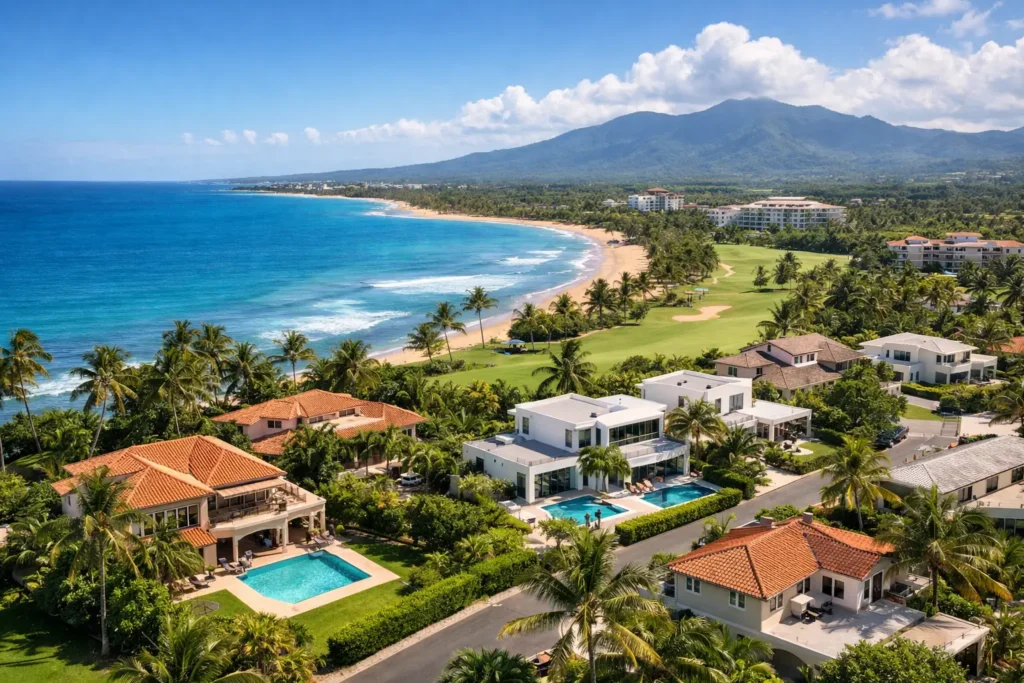
Río Grande can put you minutes from an oceanfront resort, a championship golf course, El Yunque’s trailheads, or a more traditional Puerto Rican town setting. That range is exactly why the best neighborhoods in Rio Grande Puerto Rico depend less on a single ranking and more on how you plan to live, use, and maintain the property.
For a primary residence, commute time, school needs, road access, and storm readiness may lead the decision. For a second home or investment property, walkability to the beach, rental rules, HOA standards, and management logistics often matter more. Here is how experienced buyers narrow the search in Río Grande with clarity.
Best Neighborhoods in Rio Grande Puerto Rico for Different Lifestyles
Río Grande is a municipality, not one uniform neighborhood. Buyers will see a mix of named communities, barrios, gated developments, condominium buildings, and resort-oriented enclaves. A property’s mailing address alone does not always reveal its lifestyle or value drivers, so it pays to evaluate the specific street, community association, elevation, access, and condition of the home.
Río Mar and Zarzal: Resort Living With Strong Amenities
For buyers who want a polished coastal setting, Río Mar is usually the first name in the conversation. Located in the Zarzal area, this established resort community is known for beach access, golf, hotel amenities, and a broad mix of condominiums, villas, and single-family residences. Its position between the Atlantic coast and El Yunque gives it a setting that feels distinctly Río Grande.
Río Mar can work well for second-home buyers, retirees, professionals seeking a lock-and-leave property, and owners who value a managed community. The appeal is not just the beach. Buyers are also drawn to controlled access in many sections, landscaped common areas, recreation, and the convenience of being near dining and resort services.
The trade-off is that premium locations typically command premium pricing, and every community has different HOA fees, rules, and maintenance expectations. If rental income is part of your strategy, confirm the condominium regime, association regulations, and applicable local requirements before making assumptions based on a property’s resort location. A beautiful unit with restricted rental use may be perfect for personal enjoyment but not for an investor’s business plan.
Palmer and the El Yunque Side of Río Grande
Palmer appeals to buyers who want greenery, mountain views, and a more local rhythm while staying close to the coast. This is one of the most recognizable gateways to El Yunque National Forest, with casual restaurants, small businesses, and easy access to outdoor recreation. The setting feels more tropical and residential than a resort community, which is a major draw for buyers looking for character over a standardized development.
Homes in and around Palmer can vary considerably. One property may offer dramatic rainforest views and a large lot, while another sits closer to commercial activity or a busier access road. Rainfall, drainage, road grade, vegetation maintenance, and internet reliability deserve extra attention here. Those factors are manageable, but they should be inspected with the same discipline as the home itself.
Palmer is especially compelling for buyers who plan to spend meaningful time in Puerto Rico rather than simply visit for long weekends. It can offer a more immersed island lifestyle, with the beach still within a short drive and El Yunque practically in your backyard.
Coco Beach Area: Private Coastal Living and Golf
The Coco Beach area is often considered by buyers looking for a private, amenity-focused coastal lifestyle. It is associated with upscale residences, golf, beach access, and a more secluded feel than some of the busier resort corridors. Buyers may find estate-style homes, luxury condominiums, and communities designed around security and recreation.
This area can make sense for a buyer who wants space, privacy, and an established luxury environment near San Juan. It may also appeal to off-island purchasers who want a property with strong lifestyle appeal for family use. However, a larger home and more extensive grounds come with a larger maintenance plan. Budget for landscaping, pool service, generators or backup power solutions, insurance, and any applicable association dues.
The right question is not whether a private coastal community is better than a condo at Río Mar. It is whether you want the responsibility and privacy of a house or the convenience and shared costs of condominium living.
Río Grande Pueblo: Everyday Convenience and Local Connection
The town center, often referred to as Río Grande Pueblo, is worth consideration for buyers who prioritize daily convenience and a more connected residential experience. Here, access to supermarkets, pharmacies, schools, professional services, and local businesses can be more practical than in a resort-focused community.
This is not the place to search if your top priority is waking up to a beach view. It can be the right fit, however, for families, long-term residents, and buyers who want to be part of a functioning town rather than a vacation enclave. Property types may include traditional homes, smaller residential streets, and opportunities for buyers willing to update an older property.
Value in the pueblo area often comes from utility. A home with solid construction, good access, and proximity to everyday services can be more suitable for full-time living than a more glamorous property that requires a longer drive for basic errands. Buyers should assess parking, traffic patterns, neighborhood noise, and the home’s condition block by block.
Mameyes and Nearby Residential Areas: Location Between Coast and Rainforest
Mameyes and nearby residential pockets offer another useful middle ground. Depending on the exact location, buyers can be near the coast, the resort corridor, Palmer, or major roads that connect Río Grande to Luquillo, Fajardo, Carolina, and the San Juan metro area. This makes the area worth a closer look for people who want flexibility rather than one narrowly defined lifestyle.
The inventory can be diverse, from modest local homes to larger residences and gated communities. That diversity creates opportunity, but it also means comparable sales need to be selected carefully. A nearby luxury community does not automatically make every home in the area a luxury property. Condition, road access, lot characteristics, views, flood exposure, and community standards all shape value.
For buyers relocating from the mainland, this is where local guidance becomes particularly valuable. Two homes that look similar online can feel entirely different in person because of their access road, surrounding terrain, utility setup, and proximity to the amenities you actually use.
How to Choose the Right Río Grande Community
Start with the role the property will play in your life. A primary residence should be evaluated around routines: work, school, healthcare, groceries, traffic, and reliability of essential services. A second home may put more weight on security, low-maintenance ownership, airport access, and proximity to dining or the beach. An investment purchase needs a realistic view of operating costs and permitted uses, not just projected nightly rates.
Then look beyond the listing photos. In coastal and rainforest-adjacent markets, due diligence should include flood-zone information, drainage patterns, roof condition, insurance availability, HOA documents, utilities, backup power, water storage, and access after heavy rain. If a property is in a condominium or planned community, review the association’s financial health, assessments, rental policy, and maintenance obligations.
Finally, visit at more than one time of day when possible. Morning, afternoon, and evening can reveal different traffic levels, noise conditions, sunlight exposure, and neighborhood activity. For off-island clients, detailed video walkthroughs, aerial context, and a candid local assessment can help turn a remote search into a confident decision.
A Smart Way to Compare Río Grande Properties
Rather than asking which neighborhood is universally best, compare a short list of properties against the same criteria: total monthly ownership cost, maintenance demands, access to the places you need, lifestyle amenities, resale appeal, and storm-readiness. That approach keeps an ocean view from distracting you from a weak HOA, or a lower list price from masking expensive deferred maintenance.
Río Grande rewards buyers who are specific about their priorities. Homes of Puerto Rico can help you evaluate the street-level details, community rules, and market positioning behind the listing so your choice supports the life you want to build here. The best next step is to identify your non-negotiables before the first showing – then let the property prove it meets them.