If you’ve ever tried to buy a home in Puerto Rico from off-island, you already know the real challenge: you’re making a high-stakes decision in a market where timelines, paperwork, and property conditions don’t always match what you’re used to on the mainland. The opportunity is real – lifestyle, value, and location – but the process rewards buyers who come prepared and move with a plan.
Below is a practical, Puerto Rico-specific walkthrough of how to buy a house in Puerto Rico, with the trade-offs and realities that actually affect your closing date, your risk, and your negotiating power.
Start with your “why” and your non-negotiables
Before you look at listings, get brutally clear on what you’re solving for. “Beach lifestyle” means something different in Luquillo than it does in Dorado. “Close to San Juan” can mean a 12-minute commute in Guaynabo or a very different daily rhythm in Río Grande.
Your non-negotiables should be fewer than you think. Most buyers do better by locking in two or three must-haves (school zone, commute, number of bedrooms, generator-ready, walkability) and keeping the rest flexible. Puerto Rico’s inventory can be uneven by neighborhood, and being too rigid usually means overpaying or waiting longer than you planned.
At the same time, be honest about condition tolerance. Many homes on the island are older, and even well-maintained properties can show signs of humidity, salt air, and power fluctuation wear. That doesn’t mean “don’t buy.” It means you need a sharper filter early so you don’t fall in love with a home that becomes a renovation project you didn’t budget for.
Choose your area like a local, not like a tourist
Puerto Rico is small on a map and big in day-to-day experience. The best neighborhood for you depends on your schedule, your storm comfort level, and the kind of community you want.
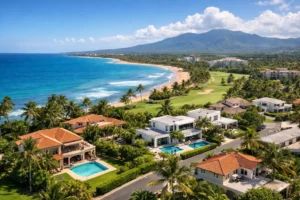
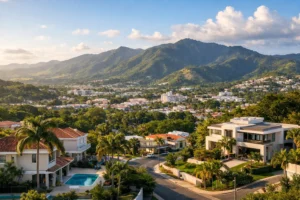
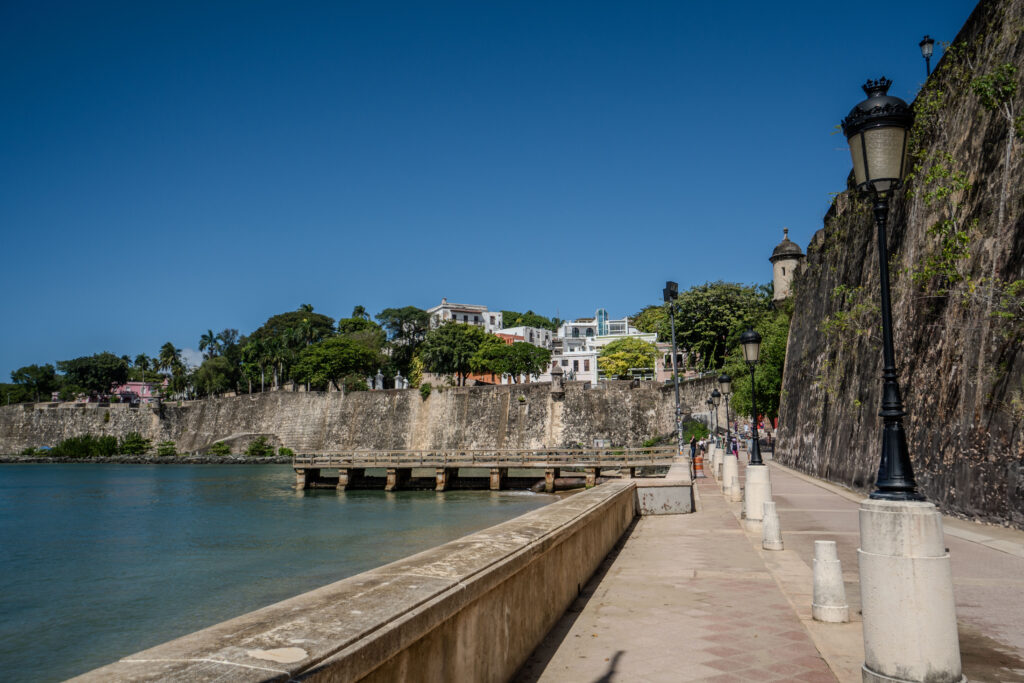
San Juan offers the most urban lifestyle and the widest range of condos and single-family options, but parking, building rules, and HOA dynamics matter more here. Guaynabo is popular for buyers who want proximity to the metro area with a more residential feel. Dorado often attracts buyers prioritizing amenities and a resort-style environment, typically at a higher entry point. Carolina can be a strong fit for airport access and certain coastal pockets, while Río Grande and Luquillo appeal to buyers who want proximity to El Yunque and a more relaxed pace. Caguas brings value and space for buyers who don’t need to be coastal every day.
A smart move is to align your search with your “weekly life.” Where do you want to shop, work out, take kids to school, or grab dinner on a Tuesday? If you’re off-island, a good agent should be able to give you that practical orientation quickly, including what changes at rush hour and what feels different after heavy rain.
Get financing clarity early (even if you plan to pay cash)
Financing on the island can move smoothly, but it tends to reward preparation. If you need a mortgage, start with a strong pre-approval and ask your lender exactly what documentation will be required and when. Buyers coming from the mainland sometimes assume the same flow they’re used to. The fundamentals are familiar, but the execution can be different.
If you’re paying cash, you still want proof of funds ready to go. In competitive situations, credibility wins. Sellers and listing agents respond faster when they know you can perform.
Also plan for the true monthly cost. Beyond principal and interest, you may be looking at HOA dues, insurance (including windstorm considerations), and in some cases generator or water system maintenance. Your budget should match Puerto Rico reality, not a generic national estimate.
Understand property types and what they imply
Not all “houses” are created equal in Puerto Rico.
Condos can be a great fit for lock-and-leave living, but you need to review association financials, reserves, rules on rentals, and building maintenance. Single-family homes offer flexibility, but they can come with more responsibility around backup power, water cisterns, roof upkeep, and drainage.
Title and boundary clarity can also vary. In some scenarios, buyers encounter situations that require extra diligence – easements, discrepancies in recorded measurements, or updates needed in the property registry. None of this is meant to scare you. It’s meant to set the right expectation: the cleanest deal is the one where you verify early, not after you’re emotionally committed.
The offer: terms matter as much as price
When you find the right property, speed and structure matter. A strong offer in Puerto Rico is not always the highest number. It’s the offer that feels most certain.
That certainty is created through clear timelines, a realistic deposit, clean contingencies, and responsiveness. If you want inspections, say so – and define the period. If you’re financing, spell out the financing condition and expected milestones. If you’re flexible on closing date, that can be a real lever.
This is where a negotiation-first approach protects you. The goal is to secure the property on terms that reduce your downside, not just “win” the deal and figure it out later.
Due diligence: inspections should be targeted, not generic
Inspections in Puerto Rico are essential, but the best inspections are specific to the property’s risk profile.
If the home is near the coast, you want an inspector who understands corrosion, salt-air wear, and what that means for metal fixtures, AC systems, and exterior elements. If the home has a flat roof, roof condition and drainage are a priority. If there’s a pool, you’ll want that system evaluated. If the property includes a generator transfer switch, solar components, or cistern, confirm functionality and maintenance history.
You’re also looking for signs of moisture intrusion and how the home handles heavy rain. A house can look perfect on a sunny day and tell a different story after a storm. Ask questions about past repairs and request receipts when available.
Inspections are not just about defects – they’re leverage. If issues surface, you may negotiate repairs, a credit, or a price adjustment. The right approach depends on the severity, your timeline, and whether the seller is motivated.
Title, registry, and the paperwork that affects timing
A smooth closing depends on clean documentation. This phase is where deals can either stay on schedule or start drifting.
You’ll typically work through title verification and confirm that the seller has the authority to sell, that liens (if any) will be satisfied, and that property records align with what’s being sold. When mismatches appear, the solution is often straightforward – but it can take time.
If you’re buying from off-island, assume you may need to sign documents remotely and coordinate notarization steps with precision. The key is staying ahead of deadlines and responding quickly when your closing team requests updated documents.
Closing costs and budget realities
Your closing costs will depend on the transaction structure, financing, and the professionals involved, but you should budget beyond the purchase price from day one.
Expect expenses related to lender fees (if financing), insurance, notary and legal documentation, and other transaction services. If the property is in an HOA, you may also need to account for association-related fees or prorations.
The practical advice: ask for a cost estimate early, then update it once you’re under contract. Buyers get into trouble when they treat closing costs as a vague “later” number.
Timeline: what’s realistic?
Some Puerto Rico closings move fast. Others take longer than buyers expect, especially when financing, registry updates, or property documentation needs attention.
If you need a hard move-in date, build in buffer time. When buyers try to time a closing to the day – flights booked, movers scheduled, school start dates locked – they create unnecessary pressure and sometimes accept terms they shouldn’t. A controlled timeline makes you a stronger negotiator.
Buying from off-island: how to keep control
If you’re not on the island full-time, your biggest risks are delay and blind spots. The fix is a tight process.
You want video walkthroughs that don’t just show the pretty finishes – they show street context, parking reality, noise level, and the parts of the home most buyers forget to check. You want clear communication on what’s been verified versus what’s still assumed. And you want someone local who can coordinate inspections, access, contractor estimates when needed, and quick renegotiations if new information appears.
That’s also where modern marketing competence matters on the buy side. In a market where good listings get attention quickly, being able to act fast with accurate information is a competitive advantage.
If you want a team built for that kind of execution – on-island expertise paired with digital-first coordination – Homes of Puerto Rico is set up for end-to-end buying support, including neighborhood orientation and tools that reduce friction when you’re making decisions from a distance.
The “it depends” scenarios you should decide upfront
There are a few decision points that change the entire experience, and buyers do better when they choose intentionally.
If you want a turnkey home, expect to pay for it and move faster when you find it. If you’re open to cosmetic upgrades, you can sometimes buy better location or more space for the money – but you need contractor capacity and patience. If you want short-term rental flexibility, you must confirm rules and restrictions before you assume income. And if you prioritize resilience (backup power, water storage, storm-ready features), decide that now so you’re not retrofitting everything after closing.
Puerto Rico rewards clarity. The clearer you are, the easier it is to recognize the right property when it shows up.
A closing thought
The best home purchases on the island aren’t the ones where everything goes perfectly – they’re the ones where the buyer stays informed, moves decisively, and never confuses excitement with certainty. When you build a process that matches Puerto Rico’s realities, buying here becomes less stressful and a lot more satisfying.