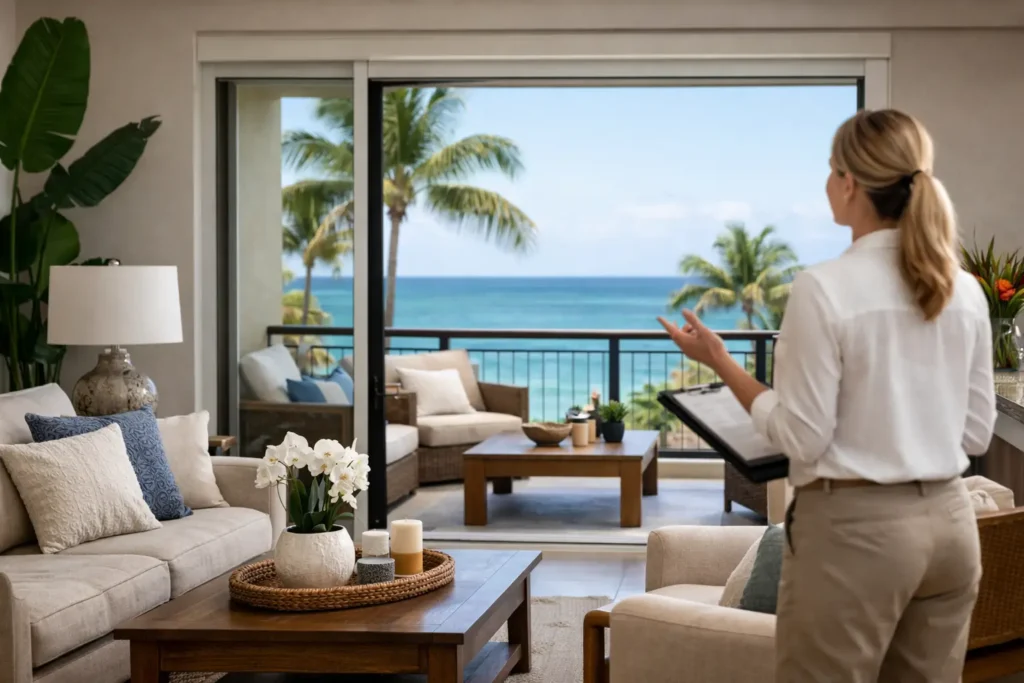
A home in Puerto Rico is often sold twice – first on a screen, then in person. That is why sellers who want stronger offers and less time on market need to think carefully about how to stage a home for sale in Puerto Rico. Good staging is not about making a property look expensive. It is about making it feel clear, well cared for, and easy for a buyer to say yes to.
In this market, presentation carries real weight. Many buyers are relocating from the mainland, investing from off-island, or comparing multiple properties online before they ever book a showing. If your home feels dark, crowded, overly personalized, or poorly arranged in photos, you can lose attention before the conversation even starts. Staging helps close that gap.
Why staging matters in Puerto Rico
Puerto Rico homes sell with a different visual context than many mainland markets. Buyers are not just looking at square footage and bedroom count. They are reacting to light, airflow, outdoor living, views, storm-readiness, parking, and the overall condition of the property. A condo in San Juan, a golf community home in Dorado, and a hillside property in Río Grande all need a different presentation strategy.
That is where staging becomes practical, not cosmetic. It helps buyers understand scale, lifestyle, and function. If a room has an awkward layout, staging can solve that. If a property has strong natural light, staging can amplify it. If the home is vacant, staging can keep it from feeling cold and smaller than it really is.
There is also a pricing reality. Staging will not fix an overpriced listing or hide deferred maintenance. But when pricing is right, strong presentation can protect perceived value. Buyers tend to negotiate harder when a property looks neglected, cluttered, or unfinished, even if the underlying home is solid.
How to stage a home for sale Puerto Rico buyers will respond to
Start with the basics sellers most often underestimate: editing the space. In occupied homes, too much furniture is one of the biggest issues. Large sectionals, extra side tables, oversized dining sets, and packed shelves can make rooms photograph smaller and feel less functional in person. The goal is not to empty the house. The goal is to create space around the furniture so buyers can read the room quickly.
Personal items should also be reduced. Family photo walls, bold collections, kids’ artwork on every surface, and highly specific decor can distract from the home itself. Buyers do not need a blank white box, but they do need room to project their own life into the property.
Color matters too. Tropical and coastal homes can handle personality, but when you are selling, loud paint choices often narrow the buyer pool. Soft whites, warm neutrals, sand tones, and light grays usually perform better because they reflect light and photograph cleanly. In Puerto Rico, where brightness and openness are major selling points, darker walls can work against you.
Focus on airflow, light, and comfort
A staged home in Puerto Rico should feel fresh the moment someone walks in. Open curtains and blinds wherever privacy allows. Clean every window, including sliders leading to balconies, terraces, or patios. Replace dead bulbs and make sure the lighting temperature feels consistent from room to room.
If the property benefits from breezes, let buyers experience that during showings when weather permits. If air conditioning is a major value point, especially in hotter coastal areas, make sure it is functioning well and the home is comfortably cool. Buyers notice this immediately.
Ceiling fans should be clean, quiet, and modern-looking. If they are outdated or wobbling, replace them. This is a small detail that signals maintenance quality, and in a tropical climate, buyers pay attention to details that affect everyday comfort.
Stage for the way Puerto Rico homes are actually used
A common mistake is copying generic mainland staging trends without considering local lifestyle. In Puerto Rico, outdoor areas often carry more emotional weight than sellers realize. A small terrace, covered balcony, plunge pool area, or garden patio can be a major selling feature if it is staged properly.
Set the scene simply. A clean seating area, fresh cushions, a tidy dining setup, and healthy plants can help buyers picture morning coffee, family gatherings, or weekend entertaining. Do not overcrowd these spaces. Buyers should see possibility, not storage.
Inside, think carefully about multi-use rooms. If a bedroom has become a catch-all office and gym, choose one clear purpose. If a family room is doing too much, simplify it so the layout makes immediate sense. Buyers are less forgiving when a space feels confused.
The rooms that deserve the most attention
The living room, kitchen, primary bedroom, and primary bathroom typically carry the most influence. That is where staging effort usually pays off fastest.
In the living room, create conversation space and clear walkways. The furniture should relate to the room size. If pieces are too large, remove some. If the room feels empty, add texture through pillows, a rug, or simple accent decor rather than filling it with more furniture.
In the kitchen, clear the counters aggressively. Small appliances, dish racks, magnets, paper clutter, and extra stools should go. Buyers want to see workspace, storage, and cleanliness. If cabinet hardware, lighting, or faucets are dated, modest updates can make a visible difference without the cost of a full renovation.
The primary bedroom should feel calm and spacious. Neutral bedding, matched nightstands if possible, and minimal decor usually work best. Remove excess dressers and storage bins. If the closet is packed, edit it before showings. Buyers absolutely open closet doors, and overstuffed storage makes a home feel short on space.
Bathrooms should present like a boutique stay, not a lived-in utility room. That means crisp towels, clear counters, clean grout, polished mirrors, and no visible personal products. Replace worn shower curtains, bath mats, and anything that reads tired or humid-damaged.
What to fix before you stage
Staging works best when basic condition issues have already been handled. In Puerto Rico, buyers are often alert to signs of moisture, deferred maintenance, and storm wear. If you stage beautifully but leave obvious issues untouched, the disconnect can hurt trust.
Address peeling paint, stained ceilings, cracked outlet covers, damaged screens, rusty hardware, loose handles, and minor plumbing leaks. Touch up doors and baseboards. Deep-clean tile grout and pressure-wash exterior areas if needed. These improvements are not glamorous, but they support the message that the property has been cared for.
Odor is another non-negotiable. Humidity, pets, cooking residue, and closed-up interiors can create a first impression that is hard to reverse. Clean soft surfaces, ventilate the home, and avoid heavy fragrances that feel like they are masking a problem.
Should you use occupied, vacant, or partial staging?
It depends on the property, the price point, and the target buyer.
Occupied staging is often enough when the home has good natural features and the furniture is relatively current. In that case, the best move is usually editing, rearranging, and adding a few finishing touches for photos and showings.
Vacant homes are harder. They can photograph flat, feel smaller, and struggle to create emotional connection. For higher-value listings or competitive markets, staging key rooms can be worth it because it improves both digital marketing and in-person experience.
Partial staging is often the smartest middle ground. You do not need to furnish every room. Prioritizing the living area, dining area, primary bedroom, and outdoor space can be enough to create momentum.
For many sellers, the strongest results come when staging is coordinated with the full marketing plan. Professional photography, video, drone content when appropriate, pricing strategy, and staging should all support the same goal: make the property feel desirable and credible from the first impression.
Staging for photos is not the same as staging for showings
This is where details matter. A property may look good in person but still underperform online if it is not prepared for the camera. Photos emphasize contrast, angles, reflections, and clutter differently than the human eye does.
Before photography, reduce surface items even further than you would for a showing. Hide trash cans, cords, pet items, remotes, and floor mats unless they add to the look. Straighten chairs, center rugs, fluff bedding, and remove anything that blocks windows or view lines.
Then maintain that standard for showings as much as possible. A strong digital launch can generate attention, but if the in-person experience feels noticeably weaker, buyers recalibrate fast.
At Homes of Puerto Rico, that is why listing presentation is treated as a performance tool, not an afterthought. The best marketing gets amplified when the home is ready for it.
Staging should make your home easier to understand, easier to want, and easier to remember. When buyers can instantly see the value, the conversation starts from a stronger position.