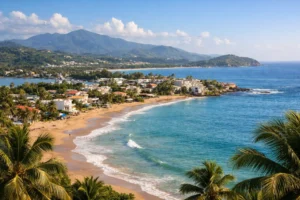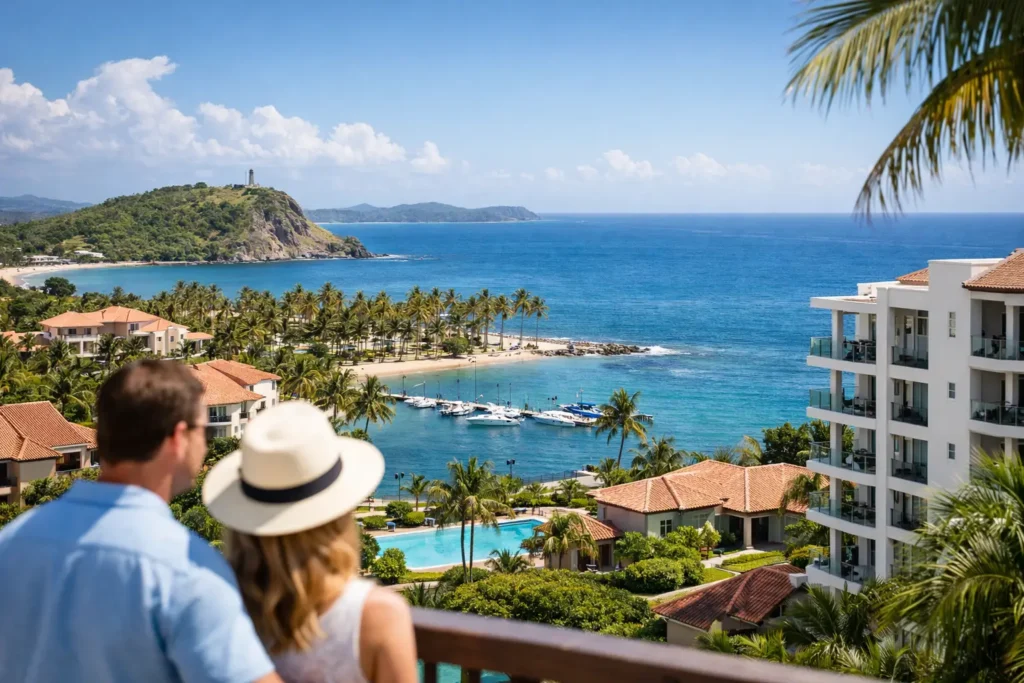
Humacao offers a version of Puerto Rico that feels lived-in, coastal, and more relaxed than the island’s major metro markets. This living in Humacao Puerto Rico guide is for buyers who want to understand what daily life actually looks like before they commit to a primary home, vacation property, or rental investment.
On the southeast coast, roughly an hour from San Juan in favorable traffic, Humacao combines established residential areas, beach access, medical services, retail, and one of Puerto Rico’s best-known resort communities. It is not the right fit for every buyer. If your priority is a walkable urban core, a short commute to San Juan five days a week, or nonstop nightlife, other markets may serve you better. But for buyers looking for more space, coastal lifestyle options, and a community with its own infrastructure, Humacao deserves close attention.
What daily life in Humacao feels like
Humacao is a working municipality first and a resort destination second. That distinction matters. You will find local restaurants, supermarkets, pharmacies, schools, healthcare facilities, banks, and the everyday services that make year-round living practical. The pace is generally quieter than San Juan, Dorado, or Condado, particularly outside the Palmas del Mar area.
The weather is warm and humid throughout the year, with cooling trade winds often making coastal areas more comfortable. Rainfall can be significant, especially during wetter months, and hurricane preparedness is part of responsible ownership anywhere on the island. Buyers relocating from the mainland should plan for tropical maintenance as a normal operating expense, not an occasional surprise. Salt air, heavy rain, heat, and humidity affect roofs, exterior paint, air-conditioning systems, windows, and landscaping.
Spanish is the primary language in daily life, although English is commonly spoken in Palmas del Mar and by many professionals serving off-island residents. Buyers who do not speak Spanish can absolutely purchase and live comfortably in Humacao, but a local team that can communicate clearly with vendors, attorneys, lenders, condominium administrators, and inspectors provides real value.
Best areas to consider when living in Humacao, Puerto Rico
Humacao is not one uniform market. A property’s location can change the lifestyle, operating costs, rental potential, storm exposure, and resale audience considerably.
Palmas del Mar
Palmas del Mar is the area most off-island buyers recognize. This large, gated coastal community includes condos, townhomes, single-family homes, golf, tennis, marinas, restaurants, beach access, private security, and community amenities. It can be particularly attractive for second-home buyers, retirees, families seeking a self-contained setting, and investors targeting vacation or long-term rentals where permitted.
The trade-off is cost and governance. HOA fees, community rules, insurance considerations, and property-specific maintenance can be meaningfully higher than in non-resort neighborhoods. Buyers should review condominium or HOA financials, rental restrictions, reserve funding, assessments, and insurance coverage before making an offer. A beautiful view does not replace due diligence.
Punta Santiago and coastal Humacao
Punta Santiago appeals to buyers who want a more traditional beach-town atmosphere. It offers proximity to the shoreline, local food, and access to the Humacao Nature Reserve. Some homes provide excellent lifestyle value compared with resort inventory, but coastal conditions require a serious inspection of drainage, flood-zone status, roof condition, corrosion, elevation, and hurricane protection.
This area can suit buyers who prefer authenticity over a polished master-planned environment. It may also appeal to investors, though rental performance depends heavily on the exact street, property condition, legal use, and how professionally the home is positioned.
Central Humacao and established residential communities
Inland and central neighborhoods offer a different value proposition: convenience. Buyers may find more traditional single-family homes, easier access to services, and a stronger year-round local feel. These locations can work well for families, professionals, and buyers who do not need to be within a short walk of the beach.
The right choice often comes down to your daily routine. A buyer who needs nearby healthcare, schools, supermarkets, and highway access may be better served by an established residential community than by a vacation-oriented condo. Conversely, a second-home buyer may place more value on managed amenities and beach access than on being close to downtown services.
Cost of living and ownership expenses
Humacao can offer more home for the money than many premium northern-coast markets, but buyers should avoid evaluating affordability through the purchase price alone. The full monthly cost of ownership can vary sharply between a standalone home, a condominium, and a property inside a resort community.
For a single-family home, budget for property taxes, homeowners insurance, utilities, internet, maintenance, landscaping, pest control, backup-power equipment, water storage, and periodic storm preparation. For condos and townhomes, add HOA dues and verify exactly what they cover. Security, common-area maintenance, exterior insurance, water, reserve contributions, and amenity access may be included, partially included, or billed separately.
Power reliability is another practical consideration. Many buyers prioritize properties with a generator, solar system, battery backup, cistern, or water reserve. These features are not simply luxury upgrades in Puerto Rico. They can improve comfort, protect rental income, and strengthen resale appeal. The quality, age, permitting, ownership, and maintenance history of those systems should be reviewed carefully.
Schools, healthcare, and everyday convenience
Families considering Humacao should evaluate schools based on their specific needs rather than relying on broad assumptions about an area. Options can include public, private, bilingual, and faith-based schools, with some families also considering programs in neighboring municipalities. School transportation, pickup times, and commute patterns deserve as much attention as the property itself.
Humacao has access to healthcare services and is home to a regional hospital, while more specialized care may require travel toward the San Juan metro area. For retirees or buyers managing ongoing medical needs, proximity to doctors, pharmacies, and preferred medical facilities should be part of the property search criteria from the beginning.
Daily shopping is straightforward, with grocery stores, retail centers, restaurants, and essential services in and around town. For broader luxury retail, major business centers, and international airport access, expect to travel. The drive to San Juan can be manageable for occasional trips, but it is less appealing as a daily commute, especially when traffic, roadwork, or weather affect travel times.
Buying a home in Humacao with confidence
A smart Humacao purchase starts with a clear use case. Are you relocating full time, buying a seasonal residence, searching for a rental property, or planning to retire within a few years? Your answer shapes the right neighborhood, property type, financing approach, and acceptable maintenance profile.
Before submitting an offer, confirm the property’s title status, permits, zoning, boundary information, HOA or condominium documentation, flood-zone designation, utility setup, insurance availability, and any rental restrictions. In Puerto Rico, these details can have a larger impact on value and future flexibility than buyers expect. A property marketed as rental-friendly may still face community rules, permit requirements, or operating limitations that need to be verified.
Inspections should be thorough and appropriate for the island. Beyond the usual systems, pay close attention to the roof, water intrusion, drainage, electrical capacity, septic or sewer connection, generator, solar equipment, cistern, doors and windows, and evidence of corrosion. For coastal properties, the inspection standard should be especially high.
Financing also deserves early planning. Cash offers are common in certain price ranges and communities, but financing is available to qualified buyers through lenders familiar with Puerto Rico transactions. Off-island buyers should prepare documentation early and understand that underwriting, appraisal, insurance, and closing timelines may differ from the process they know on the mainland.
Homes of Puerto Rico helps buyers turn these questions into a focused property search, with neighborhood guidance and transaction coordination built around the realities of each home – not just the listing photos.
Is Humacao the right move for you?
Humacao works best for buyers who value space, warmth, coastal access, and a less hurried daily rhythm. Palmas del Mar can offer an amenity-rich, secure environment with a strong second-home appeal. Central and inland communities can provide practical year-round living. Punta Santiago and other coastal pockets can deliver a more local beach lifestyle, with the added responsibility of careful property evaluation.
The strongest move is to visit with a real routine in mind: drive the routes you would use, check the grocery options, visit at different times of day, and look beyond the ocean view. The home that performs best for your life in Humacao will be the one that matches how you plan to live after closing day.