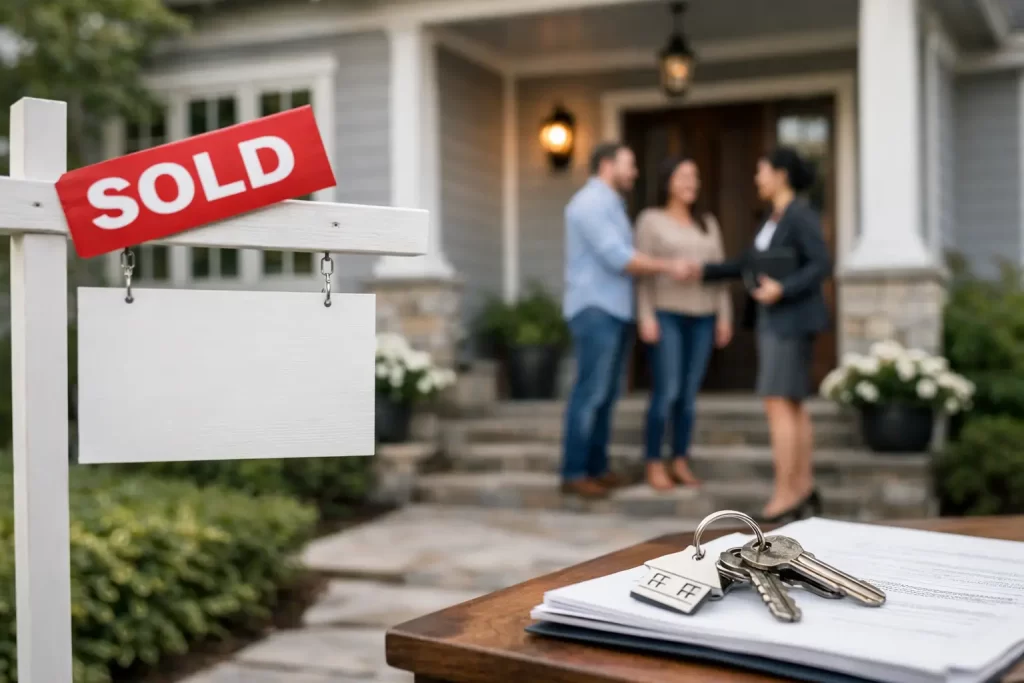
A property does not sell in 30 days in Puerto Rico by accident. When a home moves quickly, the result usually comes from a disciplined pricing strategy, strong presentation, fast response times, and marketing that reaches the right buyers early.
That matters because many sellers see a fast sale and assume the secret was simply listing low. Sometimes that is true. More often, the difference is execution. If you are searching for a sold in 30 days Puerto Rico listing example, what you really want is a breakdown of what happened behind the scenes and whether that outcome is realistic for your home.
A sold in 30 days Puerto Rico listing example, broken down
Let’s use a realistic scenario based on how strong listings tend to perform in active Puerto Rico markets.
Picture a three-bedroom, two-bath home in Guaynabo, listed in a competitive price band where buyers are active and financing is common. The seller has kept the property in good condition, but it still needs thoughtful prep to compete with newer inventory. Instead of rushing to market with phone photos and a vague description, the listing launches with professional photography, polished copy, a clear pricing position, and a showing plan that makes it easy for qualified buyers to act quickly.
In the first week, the listing gets strong digital attention because the presentation looks credible. Buyers scrolling through San Juan metro inventory stop when the visuals feel premium and the details answer common questions up front. That early attention matters. New listings get a freshness window, and if that window is wasted, the property can sit longer than it should.
By week two, showing activity creates real feedback. Some buyers like the layout but compare the home to a nearby property with a larger patio. Others say the kitchen is not fully updated, but they still view it as a better value than renovated homes priced significantly higher. Those comments help confirm whether the asking price is attracting the right audience or missing the mark.
By week three, the seller receives multiple signals of interest, including one financed buyer and one cash buyer. Neither offer is only about price. Terms matter. Closing timeline, inspection expectations, proof of funds, appraisal risk, and repair requests all affect the real value of an offer. A listing can go under contract quickly and still become a headache if the wrong buyer gets accepted.
By day 30, the home is under contract at a price close to asking because the listing was positioned correctly from day one. Not overpriced enough to go stale. Not underpriced enough to leave money on the table. That is the version of a fast sale most sellers want.
What actually made the listing sell fast
A sold in 30 days Puerto Rico listing example usually comes down to a few factors working together, not one magic move.
The first is pricing discipline. Sellers often focus on what they want to net, but buyers respond to what the market supports. In Puerto Rico, pricing can be especially sensitive because neighborhoods, views, HOA structures, hurricane readiness, parking, and backup utilities can create major value differences even between nearby properties. If the pricing strategy ignores those details, the home can miss the market quickly.
The second is presentation. A property marketed with dark photos, cluttered rooms, and weak copy invites hesitation. Buyers assume there may be larger issues hiding behind poor presentation. Strong visual assets create confidence. They also increase the odds that off-island buyers and relocating families will take the listing seriously enough to schedule a virtual or in-person showing.
The third is distribution. Fast-moving listings usually reach more than just the local buyer pool. Puerto Rico has a meaningful share of demand from mainland and international buyers, returning residents, and investors who are monitoring inventory online. If your listing exposure depends only on passive portal traffic, you are limiting your chances in the most important days of the launch.
The fourth is response time. Momentum dies when buyer questions sit unanswered, showing requests get delayed, or offer conversations drag. In a market where attractive homes can draw interest quickly, responsiveness is not a bonus feature. It is part of the sales strategy.
Why some homes sell in 30 days and others sit
Two listings can look similar on paper and perform very differently.
One home enters the market at a number chosen from emotion or aspiration. The seller remembers a neighbor’s sale from last year, adds a premium for personal upgrades, and hopes the market catches up. The listing gets some early clicks but limited serious traffic. Buyers who tour it like the location but do not feel urgency because the value is not obvious.
Another home comes out with a sharper market position. The seller understands where it fits among current competition, not just past sales. The condition issues are acknowledged. The strengths are showcased. The terms are planned in advance. That home gives buyers fewer reasons to wait.
This is where sellers need realism. Not every property should be expected to sell in 30 days. Luxury homes in narrower price points, unique estates, major fixer-uppers, tenant-occupied properties, or homes in softer micro-markets may require more time. Speed is possible, but it depends on price bracket, location, condition, and the depth of buyer demand.
The Puerto Rico factors that change the timeline
Puerto Rico real estate has local realities that affect speed to contract.
Inventory behaves differently by area. A well-presented condo in San Juan may attract quick interest because the buyer pool is broad and active. A home in a lower-turnover area may need more patience, even if the asset is strong. Coastal markets also behave differently from suburban ones, especially when flood zones, short-term rental rules, or insurance costs influence decision-making.
Financing adds another layer. Cash buyers can shorten the path, but financed buyers still make up a large part of the market in many price bands. Appraisal gaps, lender timelines, and condo documentation can all affect whether a listing closes smoothly after going under contract.
Buyer profile matters too. Off-island buyers may move decisively when the listing includes enough information to build confidence from a distance. If details are incomplete, they often skip to the next option rather than chase answers.
What sellers should take from this example
If your goal is a fast, strong sale, the lesson is not to chase a 30-day headline. The lesson is to create the conditions that make a serious buyer act.
That starts before the home goes live. Pricing should be based on current competition, not guesswork. The property should be cleaned, simplified, and visually prepared. Listing media should make the home look credible on first impression, because first impression now happens on a screen long before a showing is booked.
It also means being honest about trade-offs. If you want top dollar without making updates, the market may give you longer days on market. If you need speed because of a relocation, estate sale, or timeline pressure, you may have to price more aggressively. Good strategy is not about pretending every seller can have every advantage at once.
For many homeowners, this is where a performance-driven brokerage makes the biggest difference. Marketing quality, digital reach, negotiation control, and transaction management all shape how fast a listing moves and how much friction shows up along the way. Homes of Puerto Rico approaches that process with the kind of modern exposure and execution that fast-moving sellers usually need.
How to read a fast-sale result the right way
When you see that a property sold in 30 days, ask better questions than, “How much did they list it for?”
Ask whether the home was priced against active competition or against the seller’s expectations. Ask how it was presented. Ask how quickly inquiries were answered. Ask whether the final terms were actually favorable. A home can sell fast because it was expertly positioned, or because it was discounted enough to force a quick result. Those are not the same story.
That distinction matters if you are preparing to sell. The right benchmark is not just speed. It is speed with control, speed with credible demand, and speed without unnecessary concessions.
A strong listing creates that outcome by making the buyer’s decision easier. It removes avoidable doubt, shows value clearly, and keeps momentum intact from launch through contract. That is what most sellers mean when they say they want their home sold in 30 days.
If you are measuring your own property against a sold in 30 days Puerto Rico listing example, use it as a strategy reference, not a promise. The better question is whether your home can be positioned to win attention quickly and convert that attention into serious offers. When the answer is yes, the timeline often takes care of itself.