A home can look flawless in listing photos and still have issues hiding behind fresh paint, split-unit air conditioners, or a recently sealed roof. That is exactly why the home inspection process in Puerto Rico matters so much. For buyers, it is one of the few moments in the transaction where you get a clearer, more objective picture of the property before closing and before the real costs become yours.
In Puerto Rico, inspections deserve even more attention than many buyers expect. The island’s climate, salt air, humidity, heavy rains, hillside construction, and mix of older concrete homes and newer builds all create conditions that can affect a property’s systems and long-term maintenance needs. A strong inspection does not exist to kill a deal. It exists to help you understand the deal.
What the home inspection process in Puerto Rico usually looks like
Most inspections happen after the seller accepts your offer and during the due diligence period. That timing matters because it gives you a window to evaluate the home’s condition, request repairs, negotiate credits, or decide whether the property still makes sense at the agreed price.
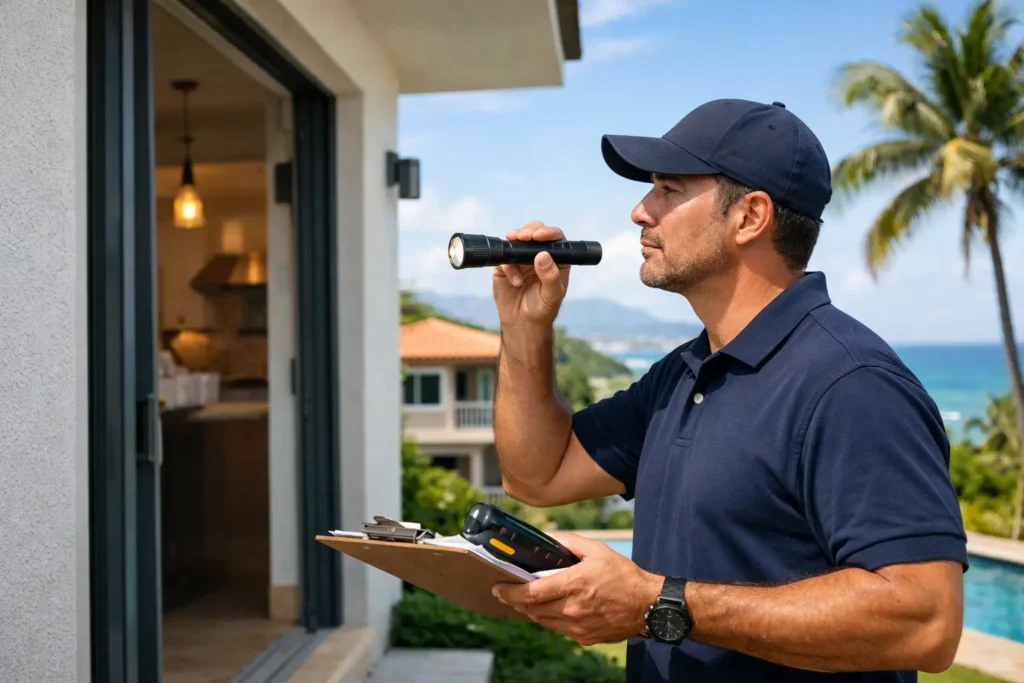
The inspector’s role is not the same as an appraiser, contractor, or insurance underwriter. A home inspector provides a visual assessment of the property’s accessible components and documents material concerns. They are looking for signs of deferred maintenance, improper installation, active defects, and conditions that may need more evaluation.
In practical terms, the process usually starts with scheduling. Buyers or their agent coordinate access, and the inspection is typically completed in a few hours depending on the home’s size, age, and complexity. Condos may move faster than large single-family homes, especially if the unit has fewer independent systems.
After the on-site visit, the inspector usually delivers a written report with photos, observations, and recommendations. Some reports are straightforward. Others raise follow-up questions that require specialists, such as roof contractors, electricians, plumbers, structural engineers, or pest professionals.
What inspectors commonly check
A standard residential inspection in Puerto Rico generally covers the main structural and functional components of the home. That includes the roof, ceilings, walls, floors, doors, windows, plumbing, electrical systems, air conditioning, water heaters, and visible structural elements. Inspectors also review bathrooms, kitchens, appliances that are included with the sale, and exterior conditions that may affect the building.
For homes on the island, moisture-related issues often deserve extra attention. Staining, efflorescence, mold-like growth, cracked sealants, and signs of water intrusion are not small details here. In a tropical environment, a minor leak can become a larger problem if it has been recurring for months or years.
Electrical systems also matter. Puerto Rico has a wide mix of older panels, updated service equipment, generators, solar integrations, and improvised modifications made over time. A clean-looking home does not always mean the electrical work was done properly. The same goes for plumbing. Fixtures may work during a quick showing, but the inspection is where drainage issues, leaks, poor water pressure, or outdated materials can show up.
Puerto Rico-specific issues buyers should expect
The home inspection process in Puerto Rico is not identical to what many mainland buyers are used to. Construction methods, environmental exposure, and infrastructure realities all shape what comes up in reports.
Concrete construction is one major difference. Many homes are built with reinforced concrete, which performs differently than wood-frame construction. That does not make inspections less important. It just shifts the focus. Cracks, spalling, water intrusion, corrosion around rebar, and roof waterproofing become more central concerns.
Flat roofs are another recurring issue. On the island, many homes have flat concrete roofs, and waterproofing condition can make a major difference in future maintenance costs. A roof may not be actively leaking on inspection day, especially during dry weather, but there can still be signs of past intrusion or failing coatings.
Coastal properties require a sharper eye as well. In markets like Dorado, Río Grande, Luquillo, Carolina, and parts of San Juan, salt air can accelerate wear on metal components, railings, exterior fixtures, HVAC units, and fasteners. Ocean views are valuable. They also come with maintenance realities.
Hillside homes bring their own set of variables. Drainage, retaining walls, slope movement, erosion, and foundation performance can all deserve closer review. If the home sits on a steep lot or shows signs of settlement, bringing in an engineer may be the smart move.
Finally, not every issue is visible. Septic systems, cisterns, pumps, stormwater management, solar equipment, and backup power setups may need more targeted evaluation depending on the property. A standard inspection is a strong first step, but it is not always the last step.
What happens after the inspection report
This is where strategy matters. Buyers often receive a report and immediately focus on the number of items listed. That is understandable, but not always the right way to read it. Almost every resale home will have findings. The real question is whether those findings are cosmetic, manageable, urgent, or expensive.
A good review process separates minor maintenance from meaningful defects. Loose hardware, missing screens, or worn caulking usually should not drive the negotiation. Roof leaks, active water intrusion, unsafe electrical conditions, structural concerns, or failing plumbing components are a different story.
From there, buyers typically have a few options. You may ask the seller to make specific repairs before closing. You may request a credit so you can handle the work yourself after closing. You may renegotiate the price. Or, if the issues are serious enough and your contract allows it, you may decide to walk away.
There is no one-size-fits-all answer. It depends on the property’s condition, the local market, the seller’s motivation, and whether the home is already priced with condition in mind. In a competitive situation, a buyer may need to be more selective about what they challenge. In a softer negotiation, there may be more room to push for concessions.
How buyers can prepare before inspection day
Strong buyers do not wait for the report to start thinking critically. They prepare in advance.
Start by choosing an inspector with solid experience in Puerto Rico’s housing stock. That matters more than many people realize. An inspector who understands flat roofs, concrete homes, tropical moisture patterns, coastal corrosion, and common island utility setups is better positioned to spot meaningful issues.
If possible, attend the inspection. You do not need to follow the inspector step by step, but being there gives you context that photos alone cannot provide. You can ask questions, see conditions firsthand, and better understand which concerns are routine and which deserve follow-up.
Bring a practical mindset. The goal is not to find a perfect house. It is to understand the house you are buying. A resale property in Condado will have a different risk profile than a newer home in Guaynabo or a beachfront property in Humacao. Price point, age, location, and exposure all matter.
How sellers should think about inspections
Sellers should not treat inspections like an ambush. The better approach is to expect scrutiny and prepare for it. Deferred maintenance tends to show up. So do shortcuts, old leaks, failing seals, and non-working systems that seemed easy to ignore while the home was occupied.
A pre-listing review of obvious problem areas can protect your leverage later. If you know the water heater is failing, the roof has a history of leaks, or the electrical panel needs attention, handling it before going to market can reduce renegotiation and keep the transaction moving.
This is especially true when your marketing is attracting off-island buyers. Those buyers often rely more heavily on inspections because they may not know local construction norms or have seen the property only briefly before making an offer. Clear documentation, clean maintenance history, and fewer surprises create confidence.
When you need more than a standard inspection
Some properties call for additional specialists, and that is not a red flag by itself. It is simply part of smart due diligence. Older homes, luxury properties, oceanfront residences, homes with solar and battery systems, or houses with visible moisture history often need a more layered review.
If the inspector flags structural cracking, get an engineer. If they identify moisture intrusion, bring in the right waterproofing or roofing expert. If electrical modifications look questionable, have a licensed electrician evaluate them. Spending more during due diligence can save far more after closing.
The best transactions are not the ones with zero issues. They are the ones where the buyer understands the asset, the seller responds realistically, and the next steps are handled with discipline. That is the value of a well-managed inspection process.
In a market as varied as Puerto Rico, from metro condos to gated suburban homes to coastal properties exposed to the elements, details matter. A careful inspection gives you negotiating power, but more importantly, it gives you clarity. And clarity is what helps you buy with confidence instead of learning expensive lessons after the keys are in your hand.