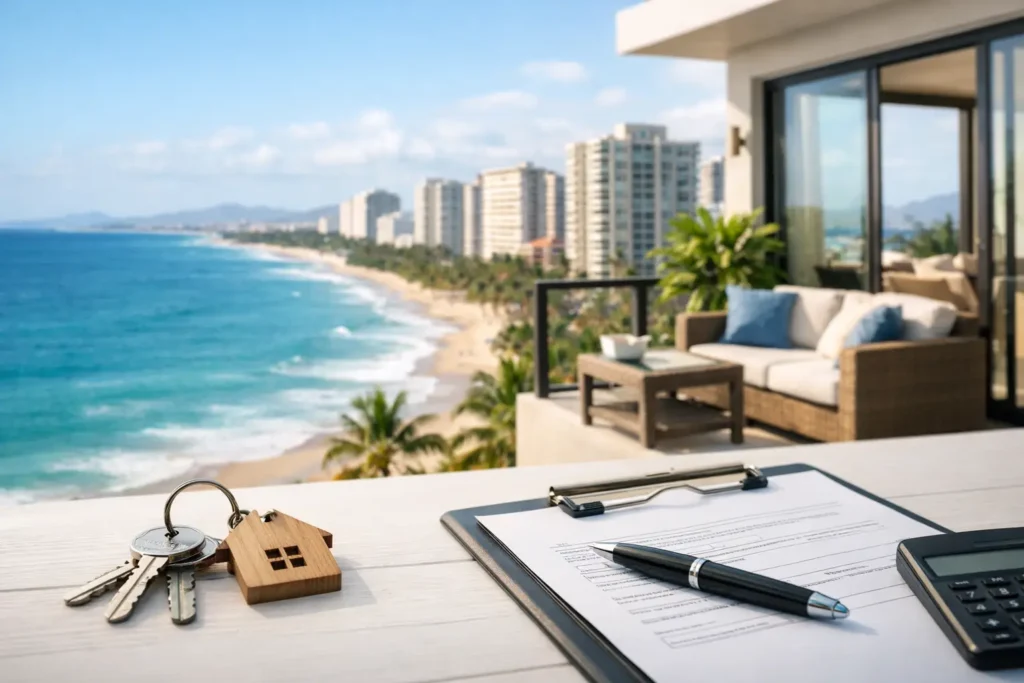
A condo sitting vacant in San Juan, Dorado, or Río Grande can get expensive fast. HOA fees, insurance, utilities, and maintenance do not pause while you figure things out. If you are asking how to rent out your Puerto Rico condo, the right answer is not just “list it and wait” – it is to position the unit correctly, price it with discipline, and run the process like a business from day one.
Puerto Rico has strong rental demand, but it is not one single market. A beachfront condo in Condado attracts a different renter than a family-sized unit in Guaynabo or a golf-community property in Dorado. The owners who get better results understand that pricing, tenant profile, lease terms, furnishing decisions, and marketing strategy all depend on location, building rules, and the condition of the unit.
How to rent out your Puerto Rico condo the right way
The first decision is not where to advertise. It is what kind of rental you are actually offering. Some condos perform best as long-term rentals for stable occupancy. Others are better suited for corporate tenants, seasonal demand, or fully furnished executive leasing. In many buildings, short-term rentals may be restricted entirely by condo regulations, so that option should never be assumed.
That distinction matters because it affects everything else. A long-term unfurnished rental may attract local professionals or families and reduce turnover. A furnished rental can justify a higher monthly rate, but furniture, wear and tear, and replacement costs need to be built into the economics. If the building has parking limits, pet restrictions, application requirements, or move-in rules, those details can shape your ideal renter before the property ever hits the market.
Start with the building, not the listing
Before marketing the unit, confirm what the condominium allows. This is where many owners lose time. They advertise first, then discover leasing restrictions, minimum terms, registration requirements, or approval processes that slow down the transaction.
Review the condo association rules carefully. Look for lease minimums, occupancy caps, pet policies, guest policies, parking assignments, move-in deposits, and any limits on furnished or short-term use. Also verify whether tenants must be approved by the association and what documents they need. A clean rental process depends on knowing those rules in advance and setting expectations early.
At the same time, make sure the unit itself is ready. Functional issues that sellers sometimes tolerate in their own homes become immediate objections for renters. Air conditioning, appliances, plumbing, water pressure, internet readiness, window treatments, and security features all matter more than owners often expect. In Puerto Rico, backup power access, cistern reliability, storm shutters, and generator coverage can also influence demand depending on the area and the building.
Price for the real market, not the payment you want covered
One of the biggest mistakes owners make when learning how to rent out your Puerto Rico condo is pricing based on their mortgage, not on actual market behavior. Renters do not care what the monthly carrying cost is. They compare your condo against competing inventory, building amenities, condition, location, parking, views, and what is included.
A smart pricing strategy starts with comparable rentals, not for-sale listings. You want recent leased units in the same building if possible, or in directly competitive communities nearby. A renovated condo with in-unit laundry, full power backup, and covered parking may justify a premium. A unit with dated finishes, no elevator, or limited backup utilities may need sharper pricing to move.
This is also where owners need to be honest about time. If your goal is maximum rent, expect a longer marketing period and more negotiation. If your goal is reduced vacancy and stable occupancy, pricing slightly ahead of the market often produces stronger inquiry and better tenant selection. The best rent is not always the highest asking number. It is the number a qualified tenant will agree to quickly under solid terms.
Presentation matters more than most owners think
Rental listings compete visually. If your condo looks dark, cluttered, or poorly photographed, renters scroll past it before they ever read the details. In higher-demand Puerto Rico markets, good marketing does more than make a property look attractive – it pre-qualifies serious interest and shortens the path to showings.
Professional photos should be the minimum standard. If the condo has ocean views, resort-style amenities, city access, or standout architecture, those features need to be captured well. Clean lines, strong lighting, and a layout that feels easy to understand all improve response rates. For premium condos, video and drone footage can add real value, especially when marketing to off-island prospects who cannot tour immediately.
The written description should also do real work. It should explain who the unit is right for, what utilities or appliances are included, whether it is furnished, how parking works, what amenities are available, and what makes the location convenient. Empty phrases do not lease condos. Specifics do.
Market to the right renter pool
A rental in Puerto Rico can attract local residents, mainland relocations, military or medical professionals, corporate tenants, retirees, and remote workers. The broader the exposure, the better your odds of finding the right match, but broad exposure only works if the message is controlled.
That is why digital distribution matters. A condo should not rely only on passive listing exposure. Strong visibility across real estate platforms, social media, and targeted local and off-island channels can expand demand significantly, especially in markets with lifestyle appeal. Homes of Puerto Rico has built much of its reputation around that exact advantage – pairing brokerage execution with high-visibility digital marketing that reaches beyond local traffic.
Still, reach without screening creates noise. The goal is not more messages. It is more qualified inquiry. Every listing should clearly state rent amount, deposit expectations, lease length, pet policy, furnishing status, and any building application requirements. That filters out poor-fit leads before they consume your time.
Screen carefully and document everything
Once inquiries start coming in, speed matters, but so does structure. Good renters often move quickly, especially in well-located condo markets. If your response time is slow or your process feels disorganized, strong applicants will move on.
A proper screening process should verify income, employment, rental history, identity, and creditworthiness where available. Depending on the applicant, you may also want references, background review, or proof of funds. For off-island tenants, you may need additional documentation to confirm relocation details and payment ability.
This is an area where owners sometimes get too casual. A friendly showing does not equal a qualified renter. You want a tenant who can pay on time, follow building rules, and treat the property responsibly. The lease should also be drafted with clarity around due dates, deposits, maintenance responsibility, guest limits, default terms, renewal options, and any building-specific obligations.
In Puerto Rico, practical details matter. Who handles minor repairs? Who replaces filters or light bulbs? Are water and electricity transferred or reimbursed? Is there a move-out cleaning expectation? The more specific the lease, the fewer disputes later.
Decide how hands-on you want to be
Some owners want full control. Others want the condo leased properly without fielding late-night maintenance calls or coordinating showings from another time zone. There is no universal right answer, but there is a right answer for your availability, location, and risk tolerance.
If you live near the property, know the building well, and are comfortable managing tenants, self-management may work. If you are off-island, have multiple properties, or simply want stronger process control, professional leasing support can protect both time and value. That support becomes especially useful when the unit needs pricing strategy, coordinated marketing, tenant screening, negotiation, and a smooth handoff into occupancy.
Expect adjustments after the first listing cycle
Even a strong rental can need recalibration. If showings are active but no one applies, the terms may be off. If there is little inquiry at all, pricing or presentation is usually the first place to look. If applicants push back on deposits, furnishing, or utilities, the market may be telling you what it values and what it does not.
This is why renting out a condo should be approached as an active campaign, not a one-time post. The owners who perform best watch feedback closely, adjust quickly, and stay realistic about what the market is saying.
A Puerto Rico condo can be a strong income-producing asset, but only when the strategy matches the building, the location, and the renter you want to attract. If you treat the process with the same discipline you would expect from a serious buyer-side or seller-side transaction, you put yourself in a much better position to lease faster, protect the property, and keep vacancy from eating into your returns.