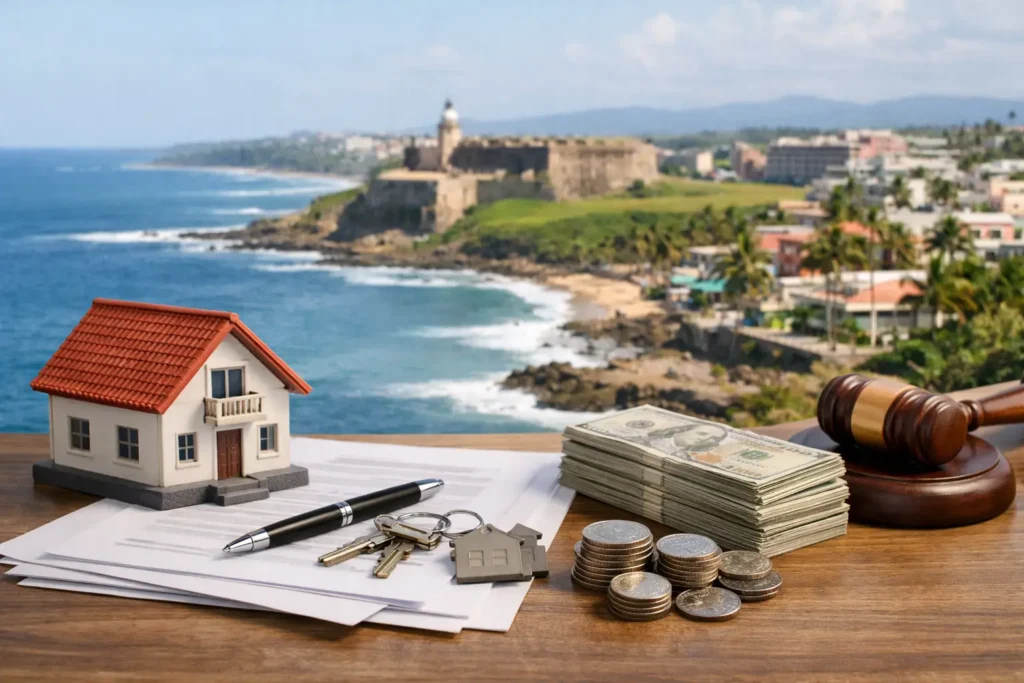
A purchase price can look right on paper and still stretch your budget at the finish line. In Puerto Rico, the buyer’s cash-to-close amount may include professional fees, government charges, lender expenses, insurance, and property-specific adjustments that are easy to miss when you are focused on the listing price. This Puerto Rico buyer closing costs guide gives you a practical framework for estimating those expenses before you write an offer.
The first rule is simple: do not rely on a single island-wide percentage. Closing costs depend on whether you are paying cash or financing, the purchase price, the property’s title history, the municipality, the building’s HOA requirements, and the terms negotiated in the contract. A well-prepared buyer asks for estimates early, then confirms the final numbers with the lender, notary, and closing professionals before signing.
What Puerto Rico buyers typically pay at closing
For many residential purchases, buyers should plan for closing costs in addition to their down payment. Cash buyers generally have fewer line items, while financed buyers should expect lender-controlled charges and prepaid reserves to add meaningfully to the total.
The major categories usually include notary fees, Property Registry fees, title-related work or title insurance if selected or required, appraisal and inspection costs, lender fees for financed purchases, homeowner’s insurance, and prorations for items such as property taxes or HOA dues. Depending on the transaction, the buyer may also need to pay for a survey, certification documents, condominium transfer fees, or utility-related administrative items.
In Puerto Rico, the allocation of transfer taxes, stamps, and deed-related charges is often guided by local custom, but the purchase contract controls. Do not assume that a seller will pay a cost simply because it is common in another market. Your offer should clearly state how applicable closing expenses will be handled.
The core costs to budget for
Notary and deed preparation fees
Puerto Rico notaries are attorneys authorized to prepare and execute public instruments, including the purchase deed. The notary’s fee is generally connected to the transaction value and the work required to prepare the deed and supporting documentation. The applicable tariff structure, transaction complexity, and negotiated scope of services can all affect the final amount.
Ask early who will select the notary, what the quoted fee includes, and whether the notary is also handling registry filing or other post-closing follow-up. If you want separate legal advice focused solely on your interests, discuss that need with an independent attorney. A smooth closing requires everyone to be clear about their role.
Property Registry fees and filing expenses
After the deed is signed, it must be presented to the Puerto Rico Property Registry for recording. Registry fees and related filing charges are part of the ownership-transfer process. The registration timeline can vary, particularly when the property has older title issues, missing documents, prior unresolved filings, or a condominium regime that needs further review.
Signing the deed is a major milestone, but it is not the same as completed registry inscription. Buyers, especially those purchasing from off-island, should understand the expected post-closing process, who will monitor it, and how they will receive confirmation once the filing advances.
Title study and title insurance
A title study reviews the recorded history of the property for matters that could affect ownership, including liens, encumbrances, easements, and prior deed issues. It is one of the most valuable parts of due diligence because a beautiful property and a clean title are not automatically the same thing.
Title insurance may be available or required by a lender depending on the transaction. The cost and coverage depend on the policy, the purchase price, and the insurer’s requirements. Cash buyers are not always required to purchase it, but skipping coverage is a risk decision, not merely a cost-saving decision. The right choice depends on the title findings, property age, transaction structure, and your comfort level with potential claims that may surface later.
Lender fees, appraisal, and prepaid items
If you are financing, review the lender estimate line by line. Your costs may include origination charges, underwriting, processing, credit reports, appraisal, flood certification, and other loan-specific fees. Some lenders may allow points or certain costs to be paid upfront in exchange for a lower interest rate. That can make sense for a long-term owner, but it may not be worthwhile if you expect to sell or refinance within a few years.
You may also need prepaid homeowner’s insurance and initial deposits into an escrow account for insurance and property taxes. These funds are not the same as a lender fee, but they increase the cash needed at closing. Ask your lender for a cash-to-close estimate that separates recurring expenses, one-time charges, and funds that remain in escrow for future bills.
Inspections, surveys, and property due diligence
A professional inspection is money well spent, particularly in coastal areas, older homes, properties that have been vacant, and residences with additions or renovations. Puerto Rico’s climate makes roof condition, moisture intrusion, drainage, windows, backup power systems, water cisterns, septic components, and air-conditioning maintenance especially relevant.
An appraisal is typically required when financing, but it serves a different purpose than an inspection. The appraisal supports the lender’s value determination; it does not tell you whether the roof is near the end of its service life or whether the generator needs major repairs. If the property boundaries, access, or lot configuration are unclear, a survey may also be a wise expense.
HOA, condominium, and tax prorations
Condominium and planned-community purchases can carry additional closing requirements. The association may require an estoppel letter, clearance certificate, transfer fee, move-in deposit, or proof of insurance. Review the HOA’s financial condition, rules, pending assessments, reserve funding, and restrictions on rentals before contingencies expire.
Property taxes and HOA dues are commonly prorated between buyer and seller based on the closing date, but the calculation should be verified rather than assumed. If there is a pending special assessment for a major building repair, the contract should state clearly which party is responsible. That one detail can be more significant than several smaller closing charges combined.
What is not a closing cost?
Buyers often mix up closing costs with the down payment and earnest money deposit. Your down payment is your equity contribution toward the purchase price. Earnest money is typically applied toward the purchase at closing if the contract proceeds as planned. It is not an extra fee, although its returnability depends on the contract’s contingency language and deadlines.
Furniture, repair credits, rate locks, moving expenses, utility deposits, and post-closing renovations also belong in your total purchase budget, even when they do not appear on the settlement statement. For a home in Dorado, Río Grande, San Juan, or another lifestyle market, planning for immediate setup costs can prevent a strong purchase from becoming a stressful first month of ownership.
How to estimate your cash to close before making an offer
Start with the purchase price, your expected down payment, and a conservative closing-cost reserve. Then ask your lender for a written loan estimate if you are financing, or request preliminary quotes from the professionals involved if you are paying cash. Compare those figures against the property’s specific facts, including whether it is a condominium, whether title work may be more involved, and whether the seller is offering any credit.
Use the contract period strategically. Your inspection, title review, financing, and document-review deadlines are the windows in which you can identify risks and negotiate solutions. A seller credit can reduce certain buyer expenses, but the structure must work with the loan program and appraisal. In other cases, a price adjustment or repair agreement may provide more value than a generic credit.
For off-island and international buyers, plan the logistics as carefully as the numbers. Confirm wiring instructions through a verified process, understand identification and source-of-funds requirements, and decide early whether you will attend closing in person or use a legally valid authorization arrangement. Last-minute document issues are avoidable when the closing team is coordinated from the start.
Questions to ask before you commit
Before your offer is finalized, ask who is paying each transfer-related item, what the notary quote covers, whether title insurance is required or recommended, and whether there are unpaid taxes, HOA balances, or special assessments. If you are financing, ask for the latest cash-to-close number and whether it includes insurance and escrow reserves. If the property is a condominium, request the association documents early enough to review them without pressure.
The most successful buyers do not chase the lowest estimate. They build a clear closing plan, preserve a contingency reserve, and work with professionals who can identify issues before they become expensive delays. Homes of Puerto Rico helps buyers bring that level of control to each stage of the transaction, from neighborhood selection through closing coordination.
A precise estimate gives you more than a budget number. It gives you the confidence to negotiate from a position of strength, move quickly when the right property appears, and arrive at closing ready for the keys rather than surprised by the statement.