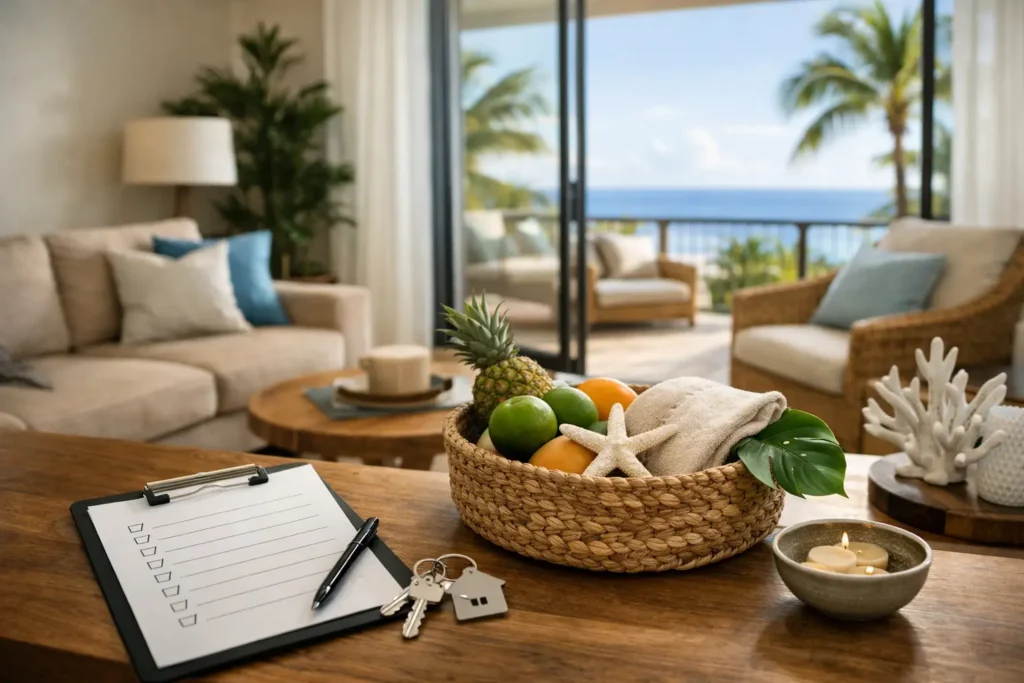
A buyer can forgive an outdated cabinet pull. They will not forgive a home that feels dark, damp, crowded, or harder to maintain in the Puerto Rico climate. That is why a smart staging checklist for Puerto Rico homes is not just about making a property look pretty. It is about removing objections before they show up in a showing, on camera, or during negotiation.
In this market, presentation carries real weight. Many buyers are comparing homes online first, including off-island and international buyers who make decisions based on photos, video, and how confidently a property reads on screen. A well-staged home feels move-in ready, better maintained, and easier to value. That can translate into more showing activity, stronger perceived value, and less pressure to negotiate downward.
Why staging works differently in Puerto Rico
Staging on the island has its own rules. Heat, humidity, salt air, tropical landscaping, backup systems, and indoor-outdoor living all affect what buyers notice first. A condo in San Juan, a golf community home in Dorado, and a vacation-oriented property in Río Grande do not need identical staging. They need the same result – clear, clean presentation that matches the lifestyle buyers expect in that location.
Buyers in Puerto Rico also pay close attention to practical details. They notice if an air conditioning unit looks old, if windows show signs of corrosion, if exterior furniture feels weather-beaten, or if a backup generator area looks disorganized. Good staging supports the emotional side of the sale, but great staging also reassures buyers that the property has been cared for in a coastal and tropical environment.
Staging checklist for Puerto Rico homes before photos and showings
Start with what the camera and the buyer will read in the first ten seconds. Curb appeal matters, but in Puerto Rico that often means more than trimming hedges. It means controlling visual noise. Put away hoses, buckets, storm panels, pet items, extra planters, and anything that makes terraces, carports, or walkways feel cluttered. If the home has a gate, clean it. If the driveway is stained, pressure wash it. If the building exterior has salt-air wear, touch up what you can.
At the entry, make the first transition feel intentional. Sweep, mop, and simplify. Replace any worn doormat. If the front door hardware is dull or rusted, upgrade it or polish it. Buyers assign value quickly, and the entrance sets the tone for the entire visit.
Inside, reduce furniture volume before you add decorative touches. Many homes show better with less in them, not more. Oversized sectionals, extra side tables, bulky recliners, and too many dining chairs can make rooms feel smaller than they are. In condos and compact homes especially, open floor area creates a stronger impression than filling every corner.
Then address lighting. Puerto Rico buyers want bright interiors, but harsh light can work against you. Open curtains and blinds where the view adds value, and remove heavy window treatments that make rooms feel dated. Replace burned-out bulbs, and keep color temperature consistent from room to room. If a room still feels dim in daylight, that is a sign to simplify decor, lighten bedding, or reposition furniture away from windows.
Focus on moisture, airflow, and freshness
This is one of the most overlooked parts of any staging checklist for Puerto Rico homes. If a property smells musty, no amount of styling will save it. Run air conditioning before showings if the home is closed up, use a dehumidifier if needed, and deal with the source of odor instead of masking it with candles or strong sprays.
Bathrooms, laundry areas, closets, and under-sink cabinets need special attention. Buyers often open doors and inspect corners in these spaces because they are looking for signs of moisture. Clean grout, refresh caulking where necessary, and remove anything that makes storage areas feel damp or crowded. A clean, dry-smelling home earns confidence fast.
Room-by-room priorities that actually move the needle
The living room should feel easy to walk through and easy to imagine living in. Keep seating conversational, remove excess personal items, and use a few simple accents that photograph well. Think texture, not clutter. Neutral pillows, a clean rug, and one or two larger decorative pieces usually perform better than lots of small accessories.
In the kitchen, clear counters aggressively. Leave only a few items that support a polished, functional look, such as a coffee setup, a bowl of fruit, or one attractive tray. Put away drying racks, paper stacks, magnets, and small appliances unless they add clear value. Buyers want to see counter space, storage, and cleanliness. They do not want to decode your daily routine.
Bedrooms should read calm and cool. Use crisp bedding, remove extra furniture if the room is tight, and keep nightstands clean. If a bedroom is currently being used as an office, gym, or storage overflow, decide what story serves the sale better. In many cases, returning it to a bedroom helps buyers understand the home’s intended layout more clearly.
Bathrooms need to feel hotel-clean. Fresh white towels work because they signal cleanliness on camera and in person. Close toilet lids, remove most personal products, and keep shower glass spotless. If mirrors or fixtures are showing corrosion, replace them. Small updates in bathrooms often deliver an outsized return in buyer perception.
Outdoor spaces deserve the same discipline as interiors. Terraces, balconies, pool decks, and patios sell lifestyle in Puerto Rico, so stage them as usable spaces, not storage zones. Wipe down outdoor furniture, remove faded cushions, and define the purpose of the area. One seating arrangement or a simple dining setup is enough. If the home has a view, every staging decision should support it, not compete with it.
What sellers should fix before they stage
Staging is not a substitute for maintenance. Buyers can tell the difference.
If there are cracked outlet covers, peeling paint, loose handles, stained ceilings, damaged screens, or visible signs of water intrusion, handle those items before photography. The same goes for old light fixtures that make the home feel neglected, noisy doors, or wall colors that are too bold for broad appeal. A staged home with obvious deferred maintenance creates distrust. A clean, repaired home creates momentum.
There are trade-offs, of course. Not every seller needs a full pre-list renovation. If cabinets are older but clean and functional, staging and strong marketing may be enough. If a room has serious wear or visual damage, repairing it is usually worth more than trying to decorate around it. The decision depends on price point, competition, and how much inventory buyers have in your area.
How to stage for the Puerto Rico buyer profile
A primary-home buyer in Guaynabo may care most about flow, storage, family functionality, and condition. A luxury buyer in Dorado may focus on finishes, outdoor entertaining, and whether the home feels current enough for the price. A buyer considering a rental or second-home property in Luquillo or Río Grande may be looking for easy maintenance, guest appeal, and photogenic spaces that market well online.
That is why staging should match the likely buyer, not just current design trends. Clean contemporary styling usually works across most price points because it keeps the focus on the property itself. But the right level of furnishing, decor, and prep can vary. Vacant homes may benefit from partial staging in key rooms. Occupied homes often need editing more than adding.
This is also where professional marketing matters. A home that is staged well but photographed poorly loses leverage. The goal is not just to make the property look good in person. It is to make buyers stop scrolling, book the showing, and arrive with a stronger impression already formed. That is where a brokerage with strong visual strategy, digital reach, and local market judgment can separate your listing from competing inventory.
A realistic final pass before listing day
Walk the home like a buyer who has never seen it before. Stand in each doorway and ask what grabs your attention first. If the answer is clutter, a repair issue, or something overly personal, fix that before the market sees it. Then check temperature, scent, lighting, and sound. If the air feels stale or a noisy fan overpowers the room, buyers will remember that more than your new throw pillows.
The strongest staging does not call attention to itself. It makes the home feel clean, capable, and easy to say yes to. In Puerto Rico, where climate, lifestyle, and online presentation all shape buyer behavior, that difference is not cosmetic. It is strategic. If you prepare your home with that standard in mind, you give your listing a better chance to attract the right attention from day one.