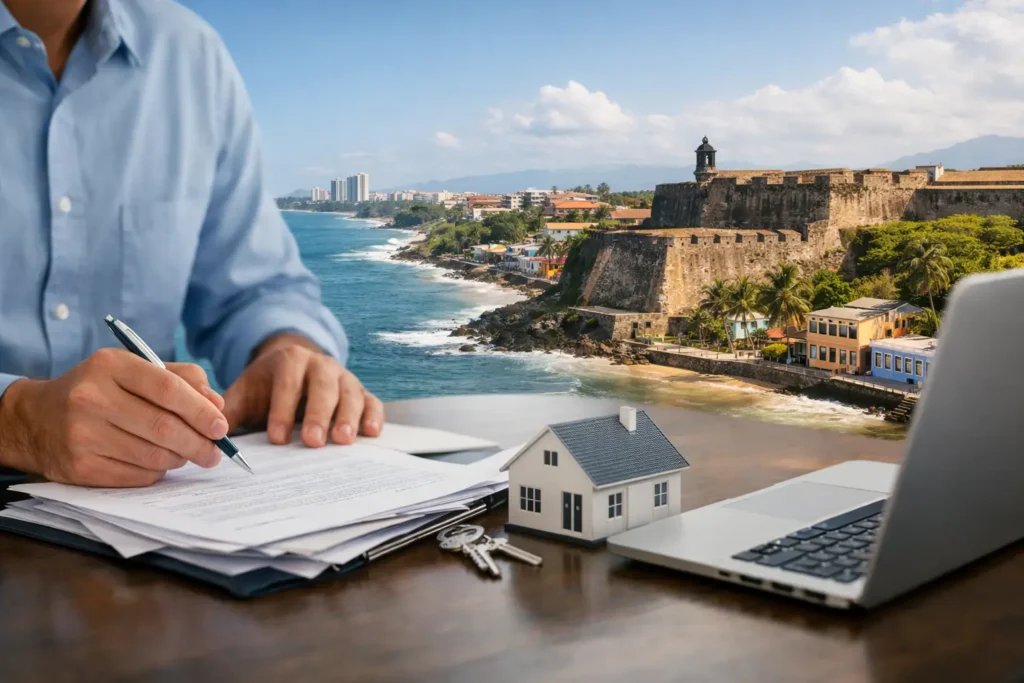
Selling a Puerto Rico property from Florida, New York, Texas, or overseas is not the same as selling a home down the street. Time zones, access for showings, vendor coordination, legal documents, pricing shifts by neighborhood, and the simple fact that you are not physically present can create avoidable mistakes. That is exactly where off island seller representation Puerto Rico becomes valuable – not as a convenience, but as a layer of control.
For many owners, the real risk is not just getting a lower price. It is losing momentum because the property is not prepared correctly, inquiries are handled slowly, or negotiations happen without enough local market context. When you are off island, your agent is not just listing a home. Your agent is your eyes, your local operator, and your first line of protection.
What off island seller representation in Puerto Rico actually means
At a basic level, off island seller representation in Puerto Rico means a licensed local brokerage handles the full sale process for an owner who is not currently on the island. But strong representation goes much further than putting a property in the MLS and waiting for offers.
It means building a pricing strategy based on actual buyer behavior in that micro-market, not broad island averages. A condo in Condado, a single-family home in Guaynabo, and a vacation-oriented property in Río Grande do not move on the same timeline or attract the same kind of buyer. The right strategy depends on location, property type, condition, financing profile, HOA realities, and seasonality.
It also means practical execution. Someone has to coordinate photography, staging guidance, drone media when appropriate, showing access, document flow, buyer questions, inspections, repair negotiations, and closing logistics. If you are off island, every delay tends to expand because each small issue requires another phone call, another signature, or another person to step in.
Why distance changes the seller’s risk
Most off-island owners underestimate how quickly small decisions affect results. A listing can lose heat in the first two weeks if the presentation is weak or the price is too hopeful. A showing can be missed because access instructions were unclear. An inspection issue can become a larger buyer objection because nobody local addressed it early.
Distance also creates a false sense of flexibility. Sellers sometimes assume they have more time because the property is already vacant, tenant-occupied, or not part of their daily life. In reality, distance can make carrying costs feel smaller than they are. HOA dues, utilities, maintenance, insurance, and opportunity cost continue whether the home is occupied or not.
That is why local representation matters most when the seller cannot step in personally. The process needs structure, speed, and regular communication. Otherwise, the property can sit while the market moves around it.
Pricing is where off island seller representation Puerto Rico earns its keep
Remote sellers are especially vulnerable to pricing errors. Some anchor to a peak-market number they saw online months ago. Others discount too quickly because they want the sale done fast and do not know how much demand still exists in their area.
A capable broker does not price by guesswork or by copying one nearby listing. The job is to read the local market as it exists now. That includes active competition, recent closed sales, days on market, financing trends, cash-buyer activity, and what buyers are actually rejecting during tours.
This is particularly important in Puerto Rico because pricing can vary sharply from one neighborhood to the next, even within the same municipality. Ocean views, gated access, backup power, water cisterns, parking, short-term rental history, and HOA restrictions can all shift perceived value. A remote seller may not realize which of these features still carry a premium and which no longer justify a higher asking price.
Good representation protects you from two costly outcomes: underpricing a property that could command more with better positioning, and overpricing it into stagnation.
Marketing has to do more than look good
High-end visuals matter, but presentation alone does not sell a property. The marketing has to match the likely buyer.
For some homes, broad digital exposure is the advantage. Properties in San Juan, Dorado, Carolina, Humacao, and other high-interest areas often draw attention from mainland and international buyers who may never drive by the home in person. In those cases, strong photography, drone footage, video walkthroughs, social reach, and targeted digital distribution can materially expand demand.
For other listings, the priority is qualification and speed rather than volume. If a property has tenant considerations, condition issues, HOA limitations, or financing constraints, the goal is not just more inquiries. It is getting the right inquiries from buyers who are actually able to perform.
That is where a modern, performance-driven brokerage has an edge. Marketing should not be treated like decoration. It should create leverage in the negotiation by improving visibility, showing quality, and buyer confidence.
What remote sellers should expect from their local agent
If you are hiring someone for off island seller representation Puerto Rico, the standard should be high. You need more than a salesperson. You need a process manager.
That starts with responsiveness. Buyers and buyer agents move quickly, especially in active price points. A delayed reply can mean a lost showing or a weaker offer. It also includes clear reporting. Remote sellers should know what is happening with showings, feedback, buyer objections, offer strength, repair issues, and timeline changes without having to chase updates.
Local oversight is just as important. Someone needs to be accountable for confirming property access, checking presentation, coordinating vendors, and flagging issues before they become deal breakers. That might include moisture concerns, insurance questions, title or lien complications, permit history, or condo document delays.
The best representation also knows when to push and when to protect. Not every offer should be accepted just because the seller wants speed. Not every repair request deserves a fight. Skilled negotiation is rarely about theatrics. It is about reading leverage, market timing, and buyer motivation accurately.
Common situations where sellers need extra support
Some off-island sales are straightforward. Many are not.
Inherited properties often involve multiple decision-makers, deferred maintenance, or family members with different expectations on price. Investor-owned units may have tenants, lease terms, or turnover timing that affect access and buyer pool. Relocation sales can carry urgency because the owner has already purchased elsewhere. Second-home owners may need help deciding whether to sell now, rent first, or improve the property before listing.
Each scenario changes the strategy. A vacant condo may benefit from speed and polished presentation. A tenant-occupied property may require tighter coordination and more realistic expectations around showing cadence. A home needing updates may still sell well, but only if the pricing and buyer messaging are honest from day one.
This is where local judgment matters more than generic advice.
The Puerto Rico factor: local execution matters
Puerto Rico real estate has its own operating realities, and remote sellers should not ignore them. Municipal differences, utility considerations, HOA rules, title work timelines, notary coordination, and property-specific infrastructure can all affect a transaction. Even basic buyer questions may be more detailed than sellers expect, especially if the buyer is also off island.
A local broker should be ready to explain what matters to buyers in that area and how to prepare for it before the listing goes live. That preparation can reduce renegotiation later.
For sellers who want both market exposure and operational follow-through, this is where firms like Homes of Puerto Rico stand out. The combination of local transaction control and digital-first demand generation is especially useful when the owner is not on the island to manage the moving parts personally.
How to choose the right representation
The best agent for an off-island seller is not automatically the one who promises the highest price or the lowest commission pressure. Look for someone who can show a repeatable process, communicates clearly, understands your submarket, and treats marketing and execution as connected parts of the same job.
Ask how they handle access, vendor coordination, buyer screening, offer strategy, inspection issues, and closing logistics when the owner is remote. Ask how often they communicate and what kind of reporting you should expect. Ask how they attract buyers beyond passive MLS exposure. The answers will tell you very quickly whether they are built for this kind of sale.
Selling from a distance can absolutely work, and often work well, when the representation is strong. The key is not being everywhere at once. The key is having the right local team act with precision on your behalf when you cannot.